


Red Sea and Hormuz crisis: Shipping’s strategic routes are being tested again
The latest developments around the Red Sea, Bab el-Mandeb and the Strait of Hormuz show that global shipping is entering a new phase of geopolitical disruption — where vessel safety, energy security and supply chain resilience are becoming increasingly interconnected.
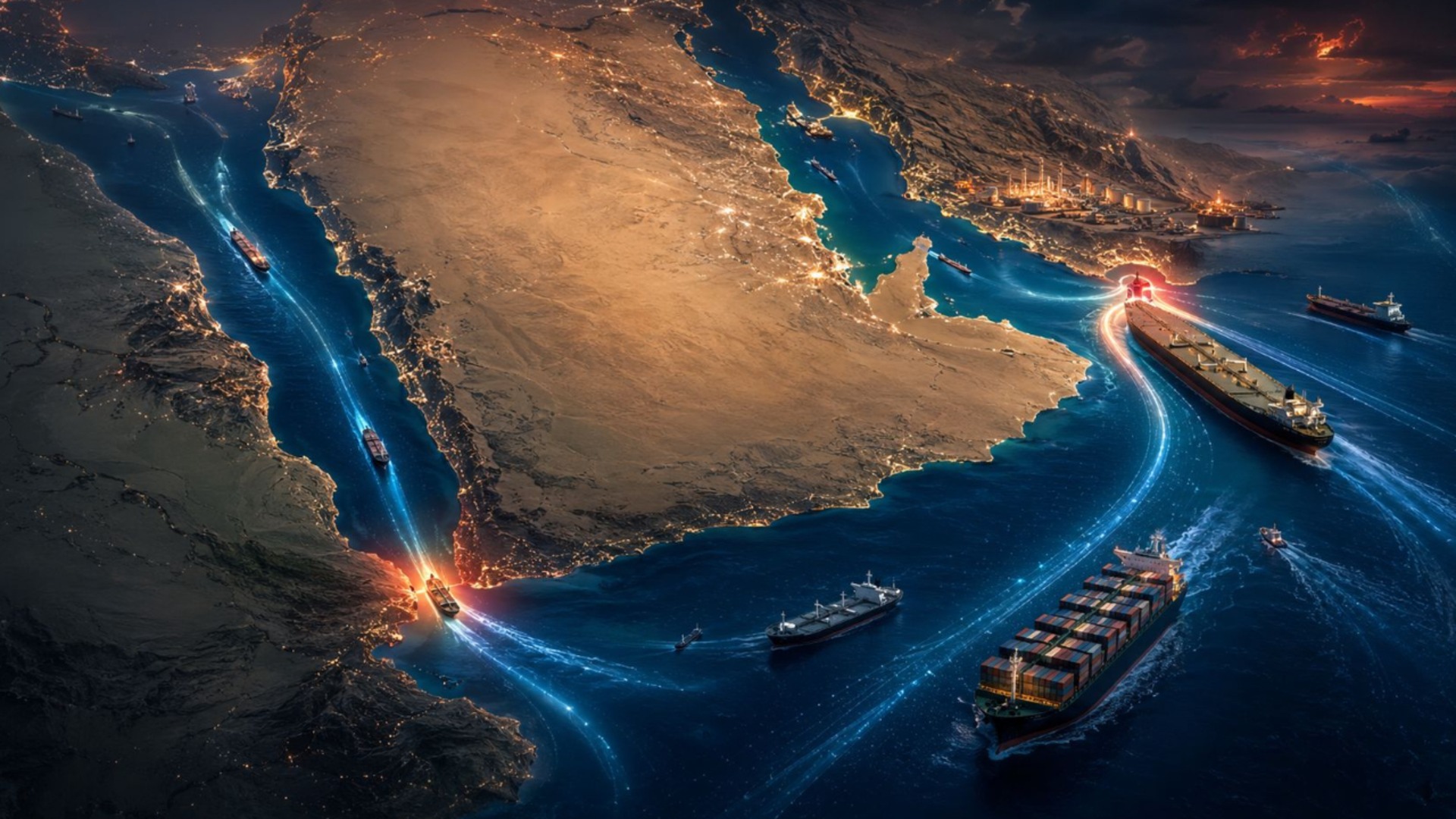

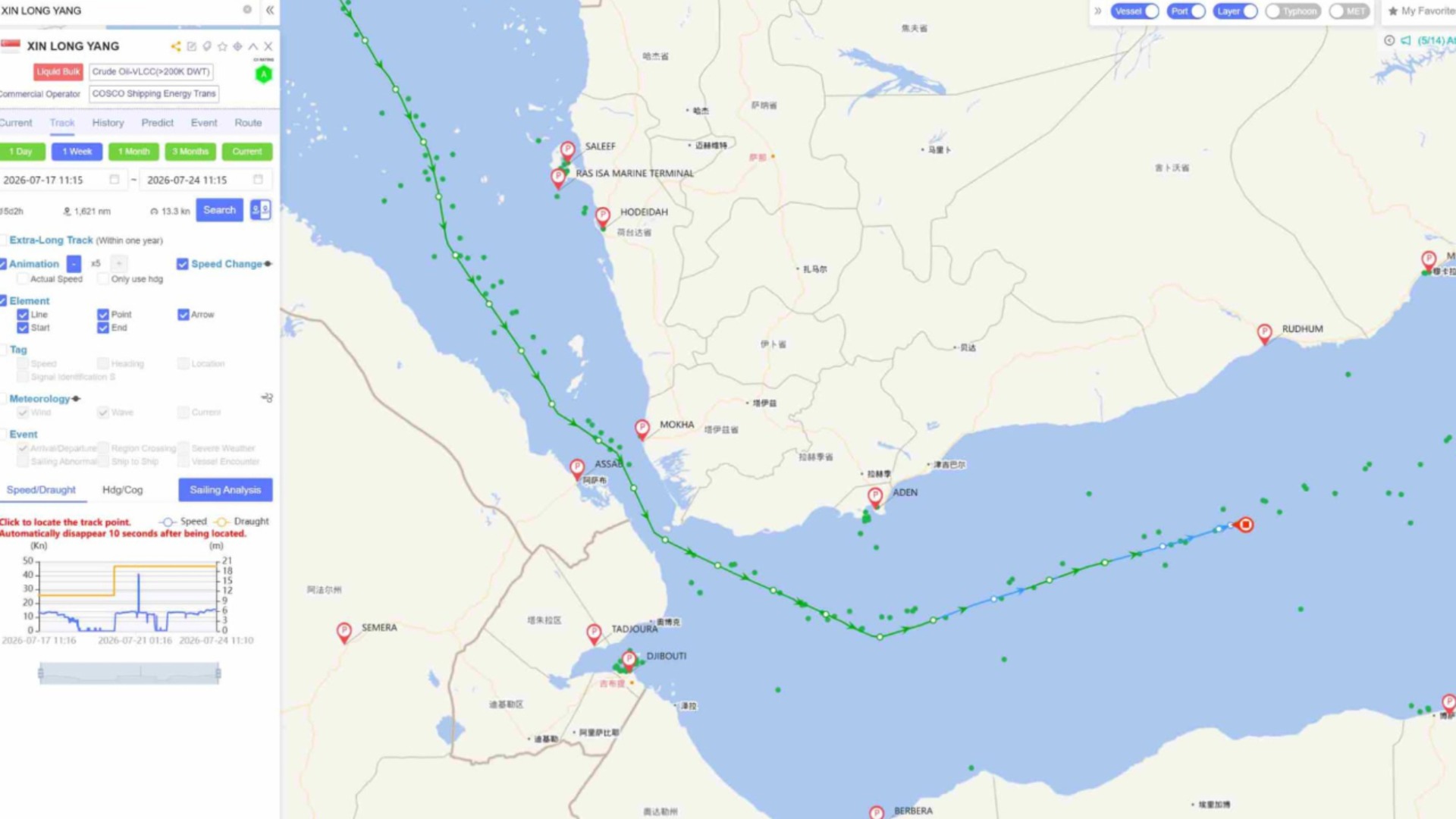
Two China-linked VLCCs — “Xin Long Yang” and “Cosnew Lake” — have become closely watched vessels in the latest crisis. The two tankers loaded around 4 million barrels of Saudi crude oil in Yanbu and continued their voyage through the Bab el-Mandeb Strait, heading toward China.
According to vessel tracking data, “Xin Long Yang” is carrying Saudi crude toward Qinzhou, China, while “Cosnew Lake” is sailing toward Huizhou, China. Both vessels are managed within the COSCO Shipping system and are understood to be chartered by Unipec.
Their passage comes after Houthi forces announced restrictions against Saudi-linked shipping and claimed attacks on two oil tankers, highlighting the growing uncertainty facing commercial operators in the Red Sea.
At the same time, traffic through the region has declined sharply:
• Bab el-Mandeb daily vessel transits have fallen to around 27 ships, compared with approximately 65–72 vessels per day before the latest escalation.
• Strait of Hormuz traffic remains extremely limited, with only a handful of commercial vessels transiting daily and VLCC and LNG carrier movements still largely absent.
The impact is spreading into global energy markets:
• Brent crude has moved close to USD 100/barrel as markets price in combined risks from Hormuz disruption, Red Sea attacks and tighter supply routes.
• QatarEnergy has extended force majeure notifications for some LNG customers, while buyers are seeking more flexible contract terms and stronger supply security.
• LNG and tanker markets are facing growing uncertainty as shipowners reassess exposure to critical chokepoints.
For shipping, the consequences are significant:
⚓ Longer voyages and increased tonne-mile demand
⚓ Higher war-risk premiums and insurance costs
⚓ Greater pressure on tanker and LNG fleet availability
⚓ Renewed focus on alternative routes and supply chain resilience
The current crisis demonstrates a fundamental shift in maritime risk management.
Shipping is no longer only a transportation business — it has become a strategic asset linked to energy security, trade continuity and geopolitical stability.

READ MORE
 Safety
Two China-linked VLCCs cross Bab el-Masndeb amid Red Sea tension
 Safety
Why Does Marine War Risk Insurance Become “Unavailable” Once a Real War Starts?
 Safety
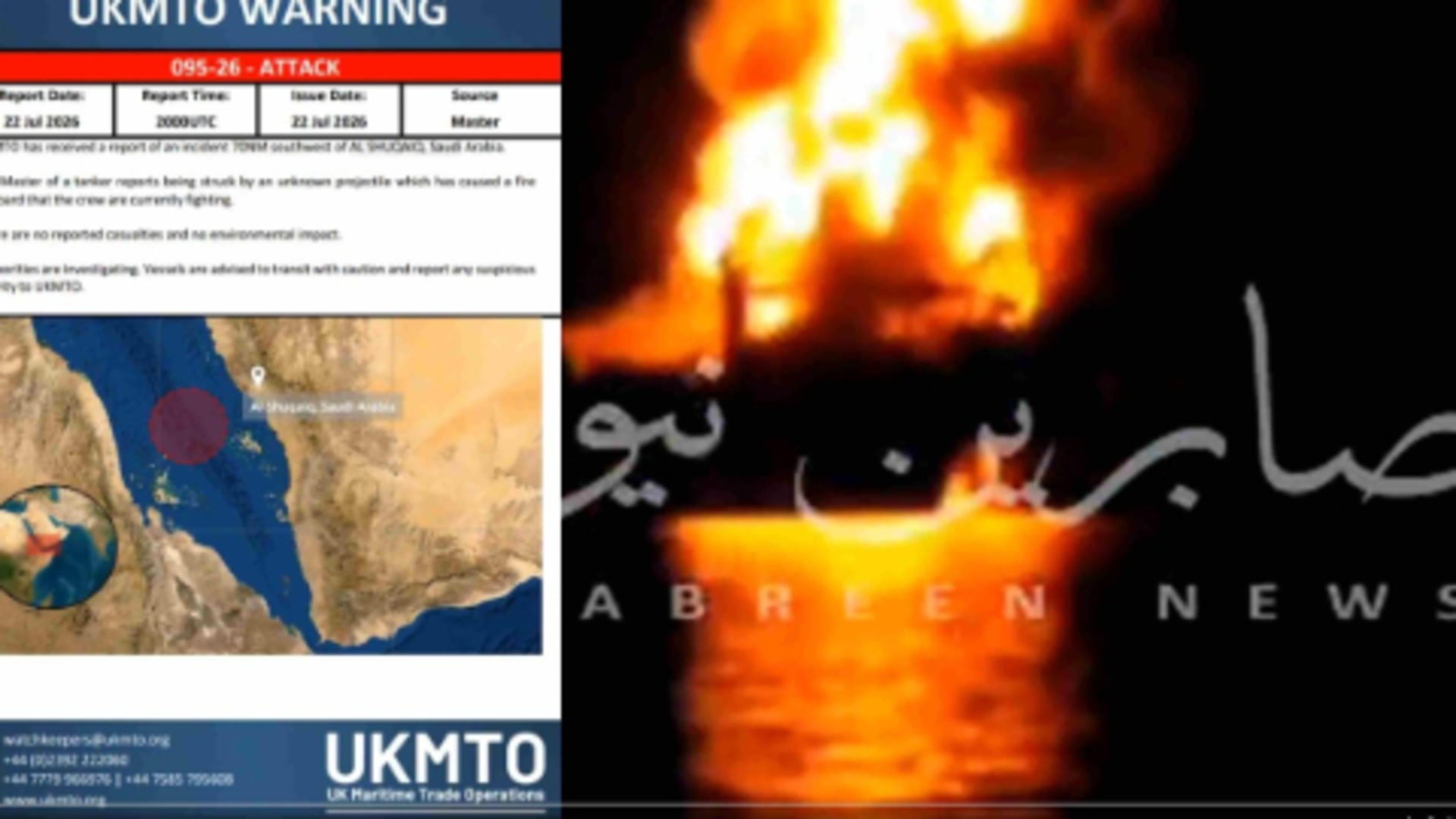
Houthi Blockade Turns Violent: Saudi Tanker Hit as Red Sea Traffic Falls
 Safety
London Market Draws a Red Line on Hormuz Tolls: Pay, and Cover for the Vessel Terminates
 Safety
Maersk tightens its network as security risks spread across the Middle East and Black Sea
 Safety
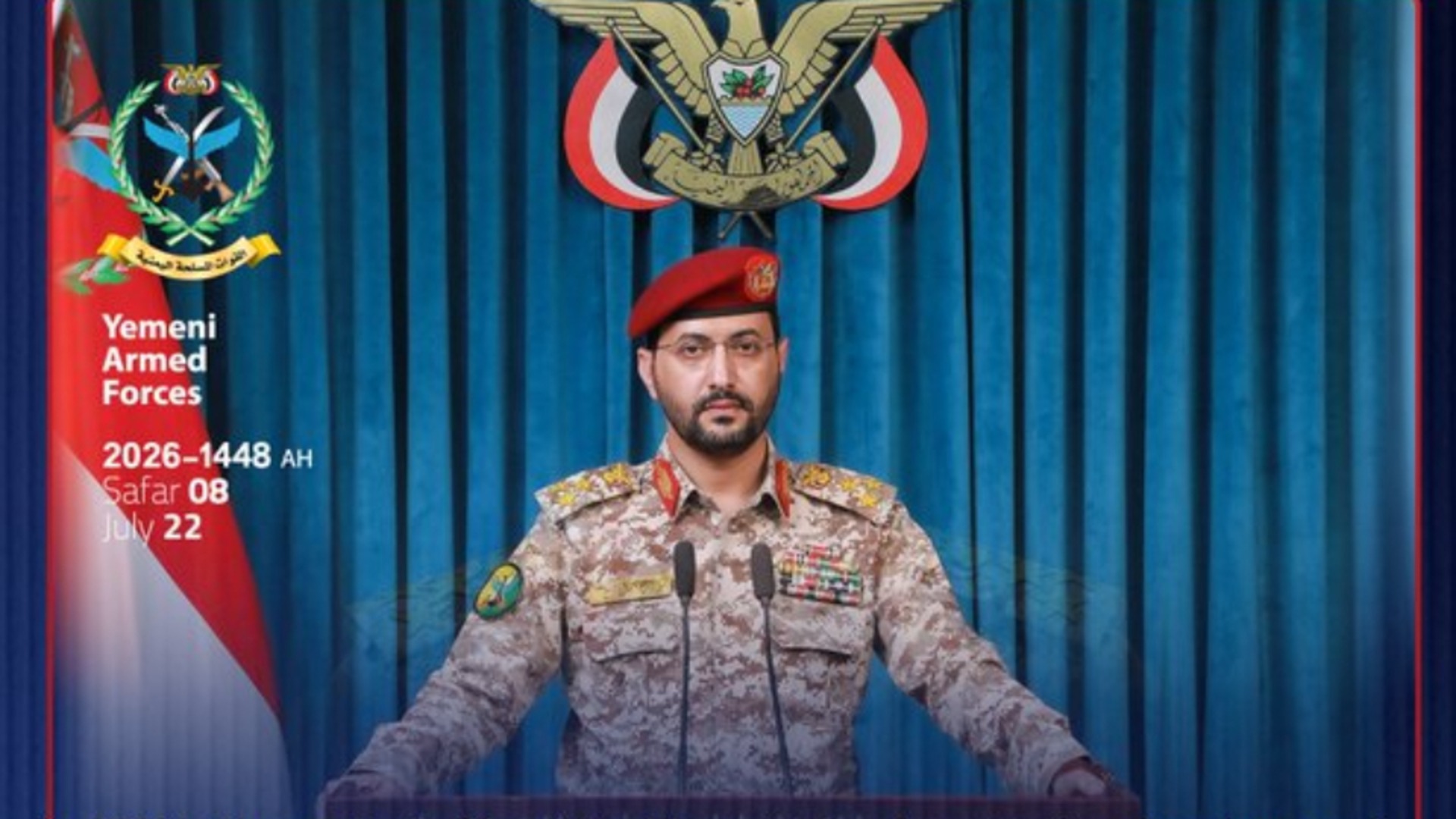
Houthi Forces Strike Two Saudi-linked Tankers in Red Sea
 Safety
Chinese Crewman Dies in South Korean Coast Guard Custody: Family Seeks Answers as “Six Pleas for Help” Become Central Dispute
 Safety
Houthi Embargo Starts to Bite as Tankers and a Cosco Car Carrier Turn Back
 Safety
A brand-new VLCC reportedly hit near Hormuz — just one month after delivery from Hengli
 Safety