


Around 1,400 Ship Transits This Month as Traffic Through Hormuz Falls by 90% and Bab el-Mandeb Slows Sharply
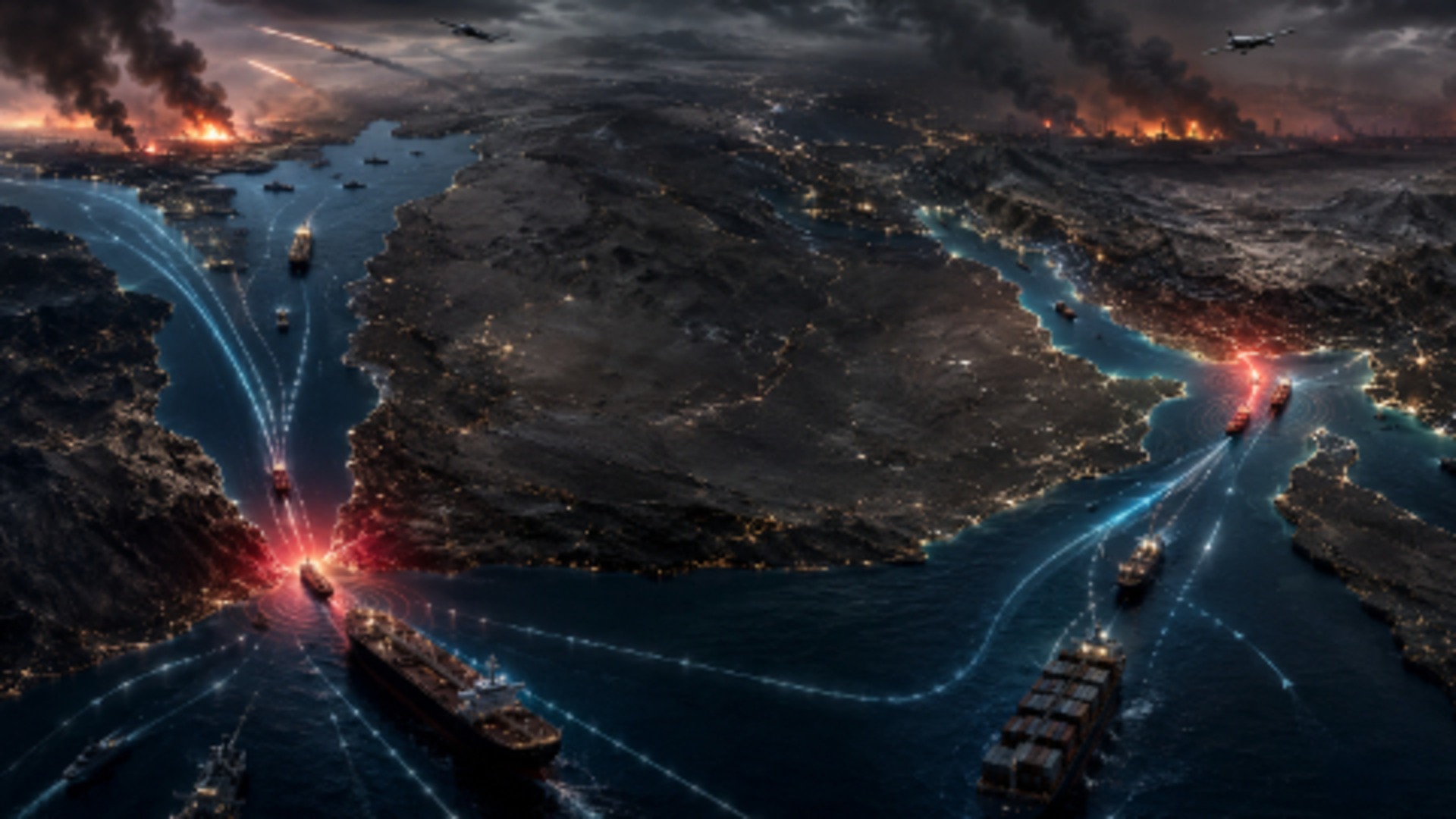

By July 26, approximately 1,400 ship transits had been recorded through the Strait of Hormuz and the Bab el-Mandeb Strait since the beginning of the month. Bab el-Mandeb accounted for around 1,047 transits, compared with roughly 350 through Hormuz, meaning traffic through the Red Sea chokepoint was about three times higher. On July 26 alone, however, only 18 commodity-carrying vessels crossed the two straits: 11 through Bab el-Mandeb, the lowest level in several months, and seven through Hormuz. Compared with the combined monthly daily average of about 54 transits, traffic on that day was down by roughly two-thirds.
The monthly estimate combines two datasets. Figures for July 1–22 are based on cargo vessel and tanker transit data published by the Joint Maritime Information Center, while figures for July 23–26 were compiled from publicly reported Kpler and Windward data. Differences in vessel-size thresholds, AIS coverage, reporting windows and the treatment of vessels operating with their transponders switched off mean the total should be presented as approximately 1,400 transits, rather than as an exact single-source figure.
Hormuz Traffic Falls from 28 Ships per Day to Around Five
Although both chokepoints are under growing military and security pressure, their traffic patterns have developed very differently.
Between July 1 and 6, the Strait of Hormuz recorded 168 transits, equivalent to an average of about 28 vessels per day. From July 16 to 22, the seven-day total had fallen to just 35, or five ships per day, representing a decline of more than 80% from the beginning of the month.
Kpler subsequently recorded only three commodity-carrying vessels per day between July 22 and 24. Traffic recovered slightly to seven vessels on July 26, but remained at an exceptionally low level.
JMIC has previously cited a historical average of approximately 138 daily transits through Hormuz. Based on the estimated July total of about 350 vessels, average traffic during the first 26 days of the month stood at only 13 to 14 ships per day, around 90% below the historical benchmark.
Some vessels may have crossed with AIS switched off, while ships calling at certain Iranian ports near the strait may not have been included in the public figures. These factors could raise the actual number modestly, but they do not change the broader conclusion that commercial traffic through Hormuz has contracted severely.
The reduction has been particularly visible among large energy carriers. On several days in mid-July, no VLCCs or LNG carriers were publicly recorded crossing the strait. Some owners have delayed voyages, reassigned ships or required vessels to switch off AIS before entering the area.
Hormuz has therefore remained physically open, but its practical commercial availability has been substantially reduced by war-risk insurance constraints, crew-safety concerns, military inspections, Iranian monitoring and the perceived danger of mines or missile attacks.
Bab el-Mandeb Was Relatively Stable Before a Sudden Late-Month Drop
Bab el-Mandeb recorded approximately 1,047 transits during the first 26 days of July, averaging around 40 vessels per day and remaining substantially busier than Hormuz.
Traffic reached 238 transits between July 1 and 6, followed by 299 between July 7 and 13. A further 283 ships crossed between July 16 and 22. For most of the month, the chokepoint therefore maintained a relatively stable flow of about 40 vessels per day.
That pattern changed sharply in the final week.
Kpler recorded 32 commodity-carrying vessels crossing Bab el-Mandeb on July 23. Windward data indicated 39 and 31 vessels during the following two 24-hour periods. By July 26, however, the number had fallen to only 11, including seven tankers.
The July 26 total was approximately 73% below the month-to-date daily average. Before the Israel–Hamas war, Bab el-Mandeb typically handled around 65 to 72 vessels per day. The current monthly average of approximately 40 was already 38% to 44% below that earlier baseline, while the July 26 figure was only around one-sixth of normal pre-crisis traffic.
Bab el-Mandeb had also become increasingly important as an alternative outlet for Gulf energy exports. Saudi Arabia can transport crude through its East–West pipeline to the Red Sea port of Yanbu, allowing cargoes to reach Asian markets without passing through Hormuz.
That alternative has now come under pressure following Houthi threats against Saudi shipping and attacks on Saudi-linked tankers and oil infrastructure along the Red Sea coast. Several tankers have turned around, waited for new instructions or sailed north through the Suez Canal before rerouting around the Cape of Good Hope.
At Least 14 Commercial Ships Damaged, with One Death and Eight Injuries
The decline in traffic has coincided with a concentrated series of attacks on commercial shipping.
Between July 1 and 26, at least 14 commercial vessels were confirmed to have suffered physical damage in attacks or unlawful boarding incidents across the Strait of Hormuz, nearby Omani waters, the southern Red Sea and the Gulf of Aden.
Around 11 of the damaged ships were operating in or near Hormuz, while three were affected along the Bab el-Mandeb–Red Sea–Gulf of Aden corridor.
The vessels included three tankers attacked on July 7, the containership GFS Galaxy, which suffered an engine-room fire and was abandoned by its crew on July 12, and the tankers Mombasa B and Al Bahyah, which were struck by missiles on July 13. Three further tanker attacks were recorded between July 20 and 21.
In the Red Sea, the Saudi tanker Encelia was hit and suffered a fire in its forward section, while NCC Masa sustained minor hull damage in an attack on July 24.
If two additional tankers disabled during US maritime blockade-enforcement operations are counted separately, the number of vessels physically damaged or rendered unable to continue their voyages rises to 16. These incidents involved military enforcement actions and should therefore be distinguished from missile, drone or projectile attacks against ordinary commercial shipping.
The confirmed human toll currently stands at at least one seafarer killed and eight injured. The casualties resulted from the July 13 attacks on Mombasa B and Al Bahyah. One Indian seafarer was killed and eight others were injured, four of them seriously.
Other reports have suggested that crew members were injured in separate tanker incidents, but these figures have not yet been consistently confirmed by official or independently verifiable sources and are therefore excluded from the total.
Claims that the tanker Layla was attacked, as well as reports that another tanker struck a mine on July 26, also remain insufficiently verified and have not been included in the damage figures.
The comparison between the two waterways highlights two different stages of disruption. Hormuz has experienced a prolonged and deep contraction in traffic, while Bab el-Mandeb remained comparatively stable before slowing abruptly towards the end of the month.
Pressure on Hormuz restricts the direct export of Gulf oil, LNG and refined products. Rising insecurity around Bab el-Mandeb is now weakening one of the principal alternative routes for Saudi energy exports through the Red Sea.
Where both chokepoints become commercially unreliable, some cargoes may have to sail north through the Suez Canal and then around the Cape of Good Hope to reach Asia. For voyages from Saudi Red Sea ports to Asian destinations, such a route could extend transit time from around 19 days to approximately 48 days, adding almost a month at sea and sharply increasing fuel, chartering, canal and insurance costs.
The headline total of around 1,400 transits may still appear substantial, but roughly three-quarters of that traffic was concentrated at Bab el-Mandeb. Hormuz traffic has fallen by around 90% from its historical average, while Bab el-Mandeb is now also showing signs of rapid deterioration.
The resilience of global energy supply chains is increasingly dependent on a shrinking pool of deployable ships, more expensive war-risk cover and the willingness of seafarers to continue operating through two of the world’s most dangerous maritime chokepoints.


READ MORE
 Safety
Forged PSC Follow-Up Inspection Leads to Vessel Detention and Fines
 Safety
Two Tankers Collide Off Yangtze River Estuary
 Safety
36-Year-Old General Cargo Ship Sank in 11 Minutes After Collision, 10 Crews missing
 Safety
Hormuz Crisis Exposes Shipping’s Three Fault Lines. Shipping Leaders Confront the Lessons of the Hormuz Crisis
 Safety
Aging Fiberglass Lifeboats After 23-Year-Old Vessel Total Loss
 Safety
Seafarer Jailed 3 Years for Bartering Seafood with Fishing Boat; Company Fined USD 140 Million
 Safety
Breaking: Two Filipino Seafarers Killed; Saudi Bahri's Flagship VLCC Hit in Strait of Hormuz, 11 Supertankers Reflagged to Liberia
 Safety
140-TONNE LIFT ENDS IN CRANE COLLAPSE AND FIRE AT MUMBAI PORT
 Safety
No Security, No Shipping: Maritime Risk Is Becoming a Systemic Threat to the Global Economy
 Safety