


EU Weighs Wider Shipping Carbon Charges to Close Port-Call Loophole
The EU is moving to close the “port-call loophole,” but tighter carbon rules could also intensify competition and trade friction around European ports.
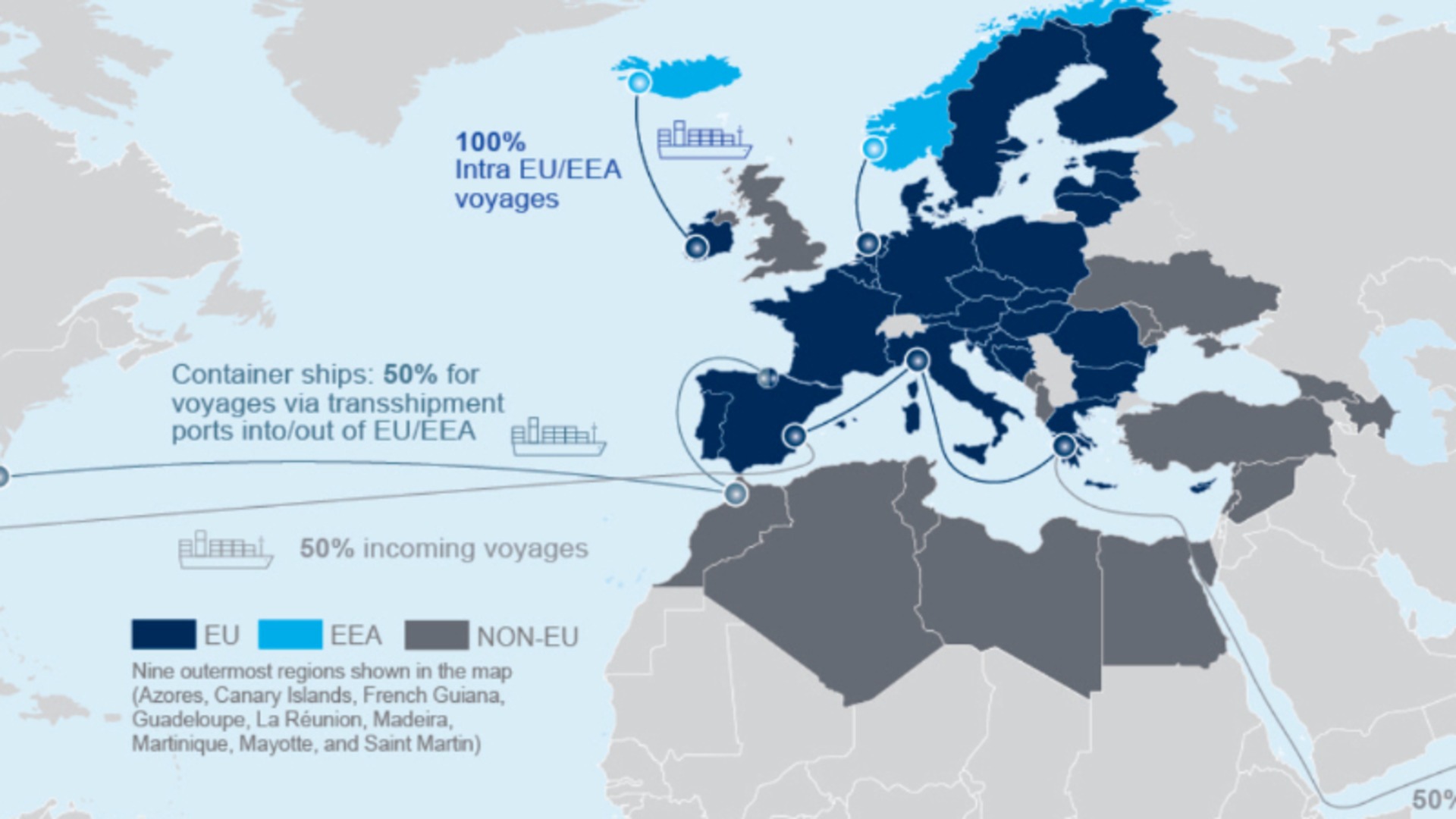

The European Union is preparing to tighten its maritime carbon-pricing rules amid concerns that some shipping companies are reducing their EU Emissions Trading System liabilities by inserting calls at nearby non-EU ports.
The European Commission is considering expanding the list of non-EU ports covered by its anti-evasion provisions as part of a wider review of the EU ETS scheduled for July 17, according to the Financial Times. Ports in North Africa and the eastern Mediterranean could be affected, while officials are also examining potential circumvention involving UK ports. The measures remain under discussion and have not been finalised.
Under the existing maritime ETS, 50% of emissions from voyages between an EU port and a non-EU port are covered, while emissions from voyages between EU ports and emissions generated within EU ports are covered in full. Shipping companies must surrender allowances for 100% of the emissions falling within this geographical scope from 2026, following a two-year phase-in period.
The concern is that a vessel sailing from Asia or another distant market could call at a nearby non-EU hub before continuing to Europe. Without specific anti-evasion treatment, the ETS calculation may be based only on the shorter final leg into the EU, reducing the operator’s carbon bill without lowering the voyage’s overall emissions.
The EU has already designated Tanger Med in Morocco and East Port Said in Egypt as “neighbouring container transhipment ports”. Calls at these terminals are therefore not treated as the start or end of a voyage for ETS calculation purposes. The European Commission is required to review the list every two years.
EU officials are reportedly considering broader criteria that could bring additional ports in Morocco, Egypt, Jordan and potentially the UK within the anti-evasion framework. Such a move could raise annual compliance costs substantially for vessels and liner services using these hubs, while increasing the risk of trade friction between Brussels and affected partner countries.
European port and shipowner organisations have also warned that the existing rules may encourage transhipment cargo to move from EU Mediterranean ports to competing terminals in North Africa. They argue that the review must address both carbon leakage and the competitive position of European ports.
The European Community Shipowners’ Associations estimates that maritime transport could generate approximately €7.65 billion a year in ETS revenues at a carbon price of €85 per tonne, rising to around €9 billion at €100 per tonne. The organisation is calling for a greater share of the proceeds to support sustainable marine fuels, clean technologies and shipping decarbonisation projects.
The Commission’s decision will determine how far the EU is prepared to extend the practical reach of its regional carbon market to protect the environmental integrity of the system, while limiting cargo diversion and competitive losses at European ports.


READ MORE
 Sustainability
Beyond Fuels: The Efficiency Battle Inside the Engine Room
 Sustainability
Replacing debate on emissions performance with shared, verifiable data
 Sustainability
Up to $380 per Tonne of CO₂e: Four Rival IMO Proposals Raise the Stakes for Chinese Shipping
 Sustainability
Another Chinese Chemical Shipping Company Moves into Singapore as GGT Launches Regional Platform
 Sustainability
US Begins to “Dismantle” the Shadow Fleet as Seized Tankers Head for Scrap
 Sustainability
Chinese Mooring Rope Maker Joins UN Global Compact in ESG Push
 Sustainability
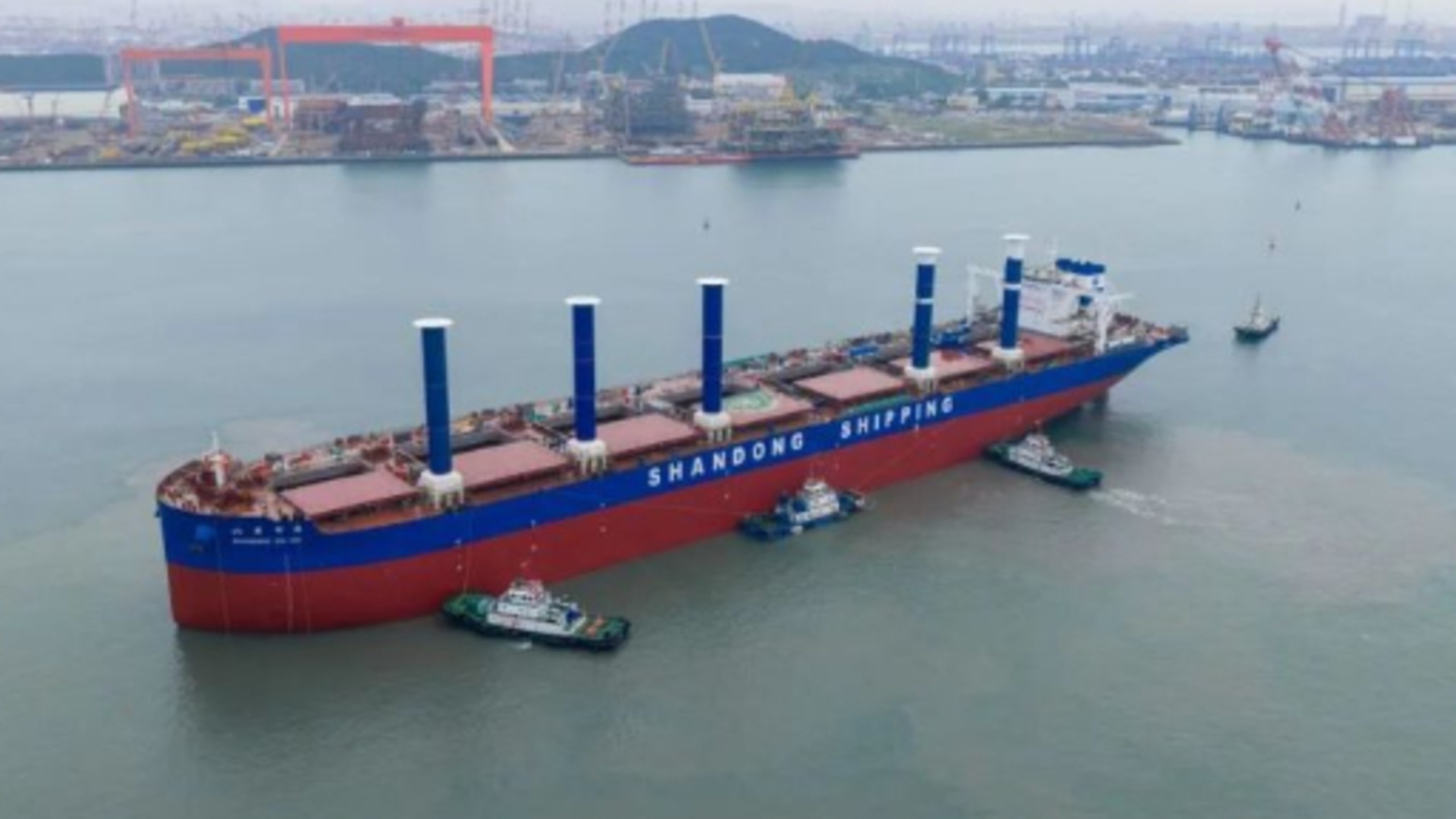
First public appearance of Shandong Shipping’s new-generation 325,000-dwt Guaibamax
 Sustainability
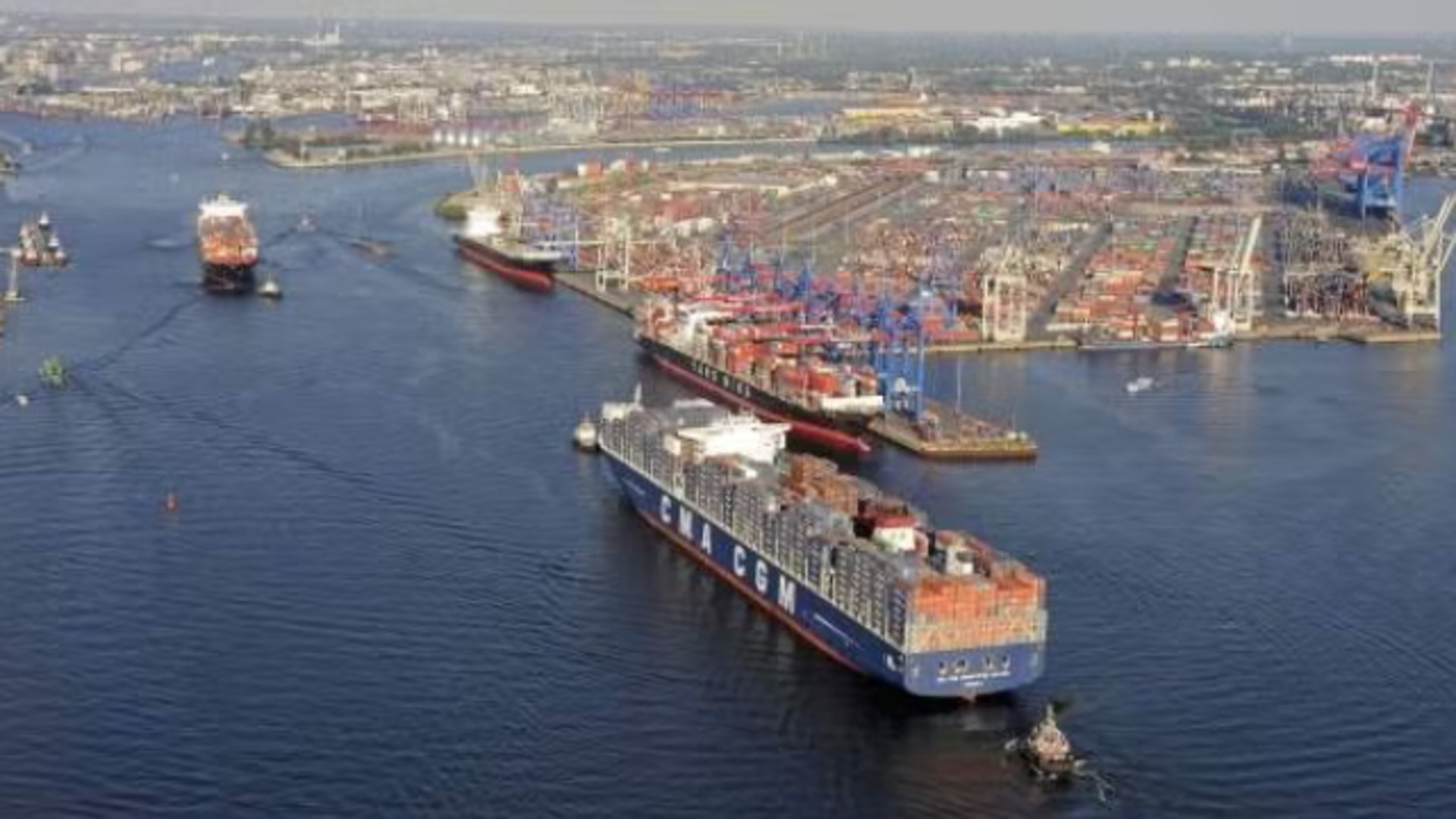
Port of Hamburg Moves Closer to Ammonia Bunkering Readiness
 Sustainability
U.S. DOT and Port of Long Beach Sign Agreement to Explore Nuclear-Powered Shipping
 Sustainability