


Hafnia Changes CEO After 16 Years as Product Tanker Giant Enters New Phase
Asset management veteran Søren Steenberg Jensen to succeed Mikael Skov, as Hafnia sharpens focus on fleet renewal, capital allocation and platform growth
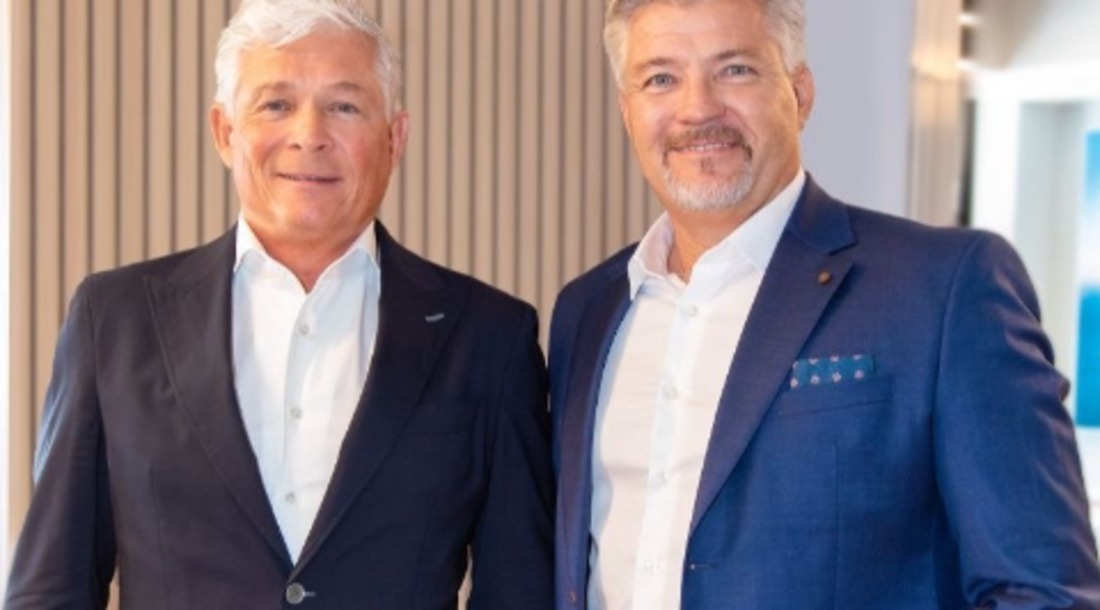
Hafnia, one of the world’s largest product tanker companies, is preparing for a major leadership transition.
On 30 June, Hafnia Limited announced that Mikael Skov has decided to step down as Chief Executive Officer with effect from 1 September 2026. The company’s board has appointed Søren Steenberg Jensen, currently Executive Vice President and Head of Asset Management, as his successor.
Skov, who has led Hafnia since its establishment in 2010, is expected to join the company’s board of directors, subject to confirmation at a proposed Extraordinary General Meeting.
This is not a sudden change at the top. It is a planned succession at a particularly important moment for Hafnia and for the wider product tanker market.
Under Skov’s leadership, Hafnia has grown into one of the world’s leading product tanker platforms. Today, the company operates around 200 vessels and offers an integrated shipping platform covering technical management, commercial and chartering services, pool management and large-scale bunker procurement. Hafnia is part of BW Group and is listed on both the Oslo Stock Exchange and the New York Stock Exchange.
Andreas Sohmen-Pao, Chairman of Hafnia and BW Group, said the company thanked Skov for his outstanding leadership and commitment over many years. He noted that under Skov’s watch, Hafnia had developed a leading market position, a strong platform and a high-quality fleet.
The timing of the transition is worth noting. Hafnia is not changing leadership from a position of weakness. On the contrary, it is doing so while earnings are recovering strongly, asset values remain firm, and the product tanker market is being reshaped by geopolitical disruption, refinery changes, shifting trade flows and an ageing fleet.
More importantly, the incoming CEO comes from Hafnia’s asset management function. That may say something about the company’s next chapter.
A leadership change during a strong earnings window
Hafnia’s latest financial results show a company in a strong position.
In the first quarter of 2026, Hafnia reported net profit of USD 179.7 million, compared with USD 63.2 million in the same period of 2025. TCE income reached USD 282.5 million, with an average TCE of USD 30,327 per day. Adjusted EBITDA stood at USD 198.6 million.
The company also declared a dividend of USD 143.8 million, equal to USD 0.2877 per share, representing 80% of net profit.
Hafnia’s forward coverage also pointed to a stronger second quarter. As of 13 May 2026, the company had covered 73% of its operating days for the second quarter at an average rate of USD 46,600 per day. For the second to fourth quarters of 2026, 39% of operating days had been covered at an average rate of USD 38,281 per day.
This means the CEO transition is not a rescue operation. It is a question of how Hafnia can continue to improve returns from its asset base in a highly volatile but still attractive product tanker market.
Hafnia has also acknowledged that the product tanker market in early 2026 was heavily influenced by geopolitical disruption. The closure of the Strait of Hormuz, restrictions on Asian exports, attacks on Middle Eastern refining infrastructure and changes in global supply chains have reshaped oil and refined product flows.
For product tankers, these changes have supported tonne-mile demand and pushed up rates on some routes. But they have also increased uncertainty. That makes disciplined fleet deployment and capital allocation even more important.
From tanker owner to capital allocation platform
Hafnia is not just a tanker company that benefits when the market rises.
Its long-term strength lies in the way it combines ship ownership, commercial management, pools, bunker procurement, digital tools and customer relationships. The question is no longer simply how many vessels the company owns. The more important question is how effectively Hafnia allocates capital across vessels, trades, partnerships and platforms.
Over the past year, Hafnia has made several moves that point in this direction.
In April 2026, Hafnia announced an agreement with HD Hyundai Heavy Industries for the construction of eight MR product tankers. The contract value was approximately USD 405 million, with deliveries scheduled between the third quarter of 2028 and the second quarter of 2029. Hafnia said the newbuildings would strengthen the efficiency, customer service capability and long-term competitiveness of its MR fleet.
At the same time, the company has been selling older tonnage. In the first quarter of 2026, Hafnia completed the sale of three LR1s, two MRs and one Handy vessel. In the second quarter, it sold and delivered one LR1, one MR and three Handy vessels, with another MR committed for sale but not yet delivered.
These moves show a clear direction: Hafnia is not simply expanding. It is renewing the fleet, lowering average age and improving long-term earnings quality.
Another important signal is Hafnia’s investment in TORM.
In December 2025, Hafnia completed the acquisition of approximately 14.1 million A shares in TORM, representing about 13.97% of TORM’s issued share capital. At the time, Hafnia described TORM as a well-managed product tanker company with a high-quality fleet. Hafnia also stated that it believed consolidation could be positive for the tanker industry, while making clear that no decision had been made on any further transaction.
By the end of the first quarter of 2026, the TORM stake was already visible in Hafnia’s financial results. The company disclosed that the investment had generated around USD 9.9 million in dividend income. At quarter-end, the stake had a market value of approximately USD 395 million, and Hafnia recorded an unrealised fair value gain of about USD 117.8 million compared with the previous quarter.
Hafnia has again stressed that any strategic path or timing will be determined by what maximises value for its own shareholders. Still, the investment has made Hafnia a key name in any discussion of product tanker consolidation.
What does Jensen’s appointment suggest?
Søren Steenberg Jensen is not an outsider. He has been deeply involved in Hafnia’s development and strategy for many years.
Before becoming CEO-designate, he served as Executive Vice President and Head of Asset Management. He has more than 20 years of experience in shipowning, chartering and operations, and was one of the original partners of Hafnia Tankers and Hafnia Management A/S.
His background is particularly relevant. He previously served as Vice President of Projects and Sale & Purchase at Hafnia Tankers. He was also CEO of Straits Tankers Pte Ltd, Hafnia’s joint venture with Mitsui O.S.K. Lines in Singapore. Earlier in his career, he spent around 10 years at TORM in various commercial roles, including Vice President of Chartering, and also worked at Maersk in operations and chartering.
This is not the profile of a purely financial executive, nor that of a purely operational manager. Jensen’s career sits at the intersection of ship assets, commercial execution, sale and purchase, chartering and capital allocation.
That matters.
His appointment does not mean Hafnia is about to launch a major acquisition or immediately push for deeper integration with TORM. That would be too strong a conclusion based on the information available.
But it does suggest that asset management will remain central to Hafnia’s next phase. That includes fleet renewal, disposal of older vessels, investment in modern tonnage, capital returns, minority investments, potential consolidation opportunities and broader platform development.
In other words, Hafnia may place even more emphasis on how capital is deployed across the product tanker cycle, rather than simply on increasing fleet size.
Three strategic lines to watch
From the information already disclosed, Hafnia’s next phase appears likely to revolve around three main themes.
The first is fleet renewal.
The product tanker sector is facing an ageing fleet, tighter environmental requirements, fuel efficiency gaps and changing charterer preferences. Hafnia’s decision to order new MR tankers for delivery in 2028 and 2029, while selling older vessels, is a clear attempt to prepare the fleet for the next stage of market competition.
The second is consolidation.
Hafnia’s stake in TORM gives it strategic optionality. The company has not committed to any further move, but the investment has become an important part of the product tanker consolidation story. In a fragmented market, with listed tanker equities often trading through sharp valuation cycles, this stake gives Hafnia a position that the market will continue to watch closely.
The third is platform expansion.
Hafnia has been building beyond vessel ownership. In 2025, Hafnia and Cargill launched Seascale Energy, a marine fuel procurement platform combining Cargill’s Pure Marine Fuels business with Hafnia Bunker Alliance. The aim is to improve scale, transparency and efficiency in bunker procurement, while also supporting access to lower-carbon fuel solutions.
Hafnia has also been involved in Complexio, an enterprise AI platform developed with Símbolo. The platform is designed to integrate structured, semi-structured and unstructured data, giving companies a fuller view of their business activities. Hafnia has begun deploying AI tools in commercial and finance functions, with wider implementation expected in 2026 and 2027.
These moves point to a broader evolution. Hafnia is no longer only a product tanker owner. It is becoming a product tanker asset, pool, bunker procurement, digital operations and capital allocation platform.
Succession, not disruption
In the company’s announcement, Mikael Skov said Hafnia is in a strong position, with a clear strategy, culture and platform built for continued value creation. He added that Jensen has been closely involved in building Hafnia and understands the business, the people and the opportunities ahead.
Jensen said his focus would be on continuing Hafnia’s disciplined approach, while raising what the company can deliver through strong commercial execution, operational excellence, digitalisation and a culture of continuous improvement.
The message from Hafnia is one of continuity rather than disruption.
Still, the background of the incoming CEO, the company’s recent asset moves and the current product tanker market all point in the same direction. Hafnia’s next phase is likely to be defined by more refined asset management, disciplined capital allocation and the ability to use market volatility rather than simply react to it.
For one of the world’s leading product tanker platforms, the key question may no longer be who owns the most ships.
It may be who can allocate capital, vessels, customer relationships and platform capabilities most effectively across the cycle.
That is why this leadership transition matters.

READ MORE
 People
Boudewijn Siemons elected to the IAPH board as vice-president for Europe
 People
Chen Shuai appointed Chairman of COSCO SHIPPING Specialized Carriers
 People
Nick Potter appointed co-chair of the CEM-HUBS Steering Committee
 People
Gu Weidong officially appointed General Manager of COSCO SHIPPING Specialized Carriers
 People
From a 500-DWT Steamer to 184 Ships: How Three Generations Built the Angelicoussis Shipping Group
 People
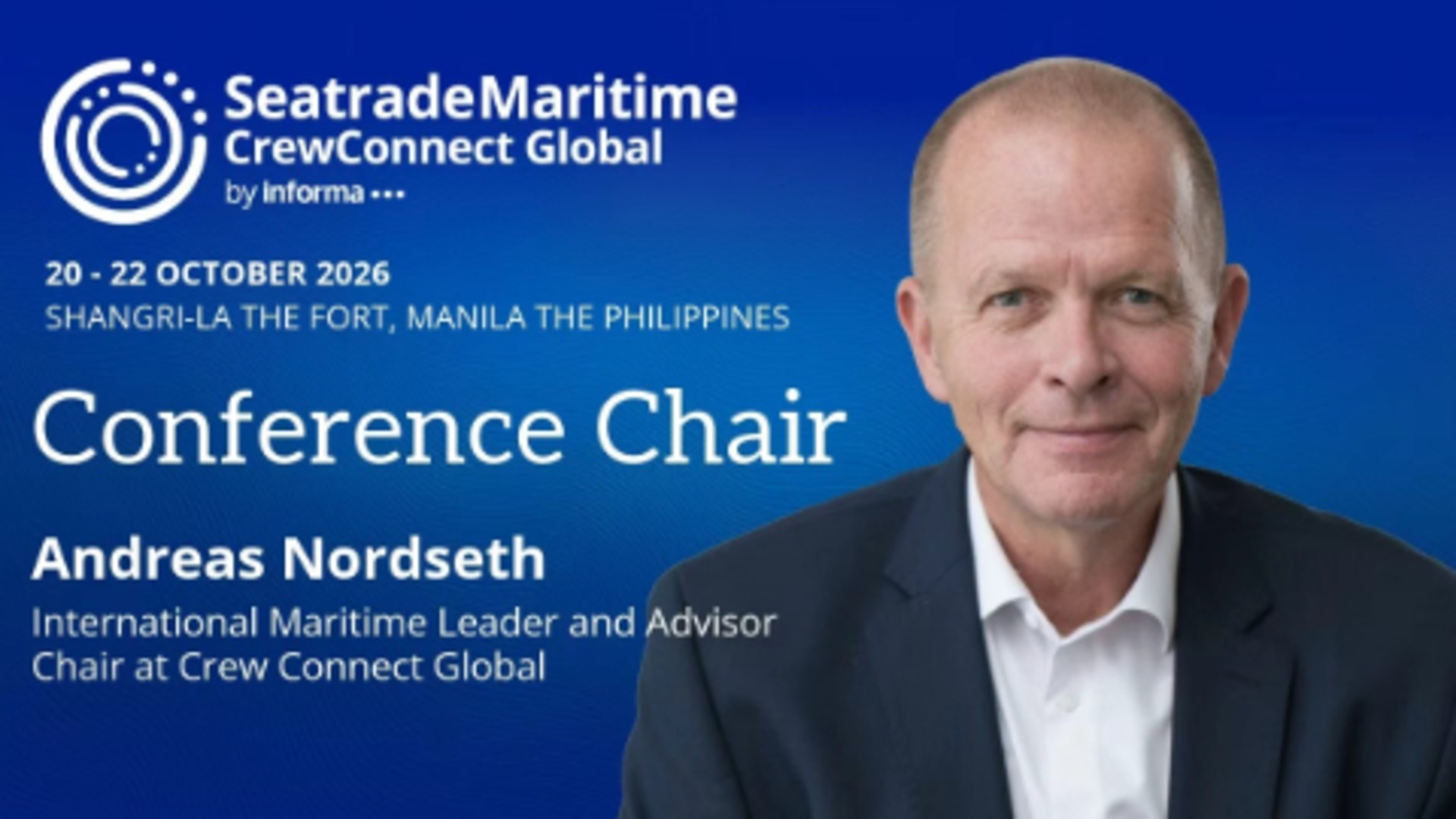
Nordseth Appointed Chair of Seatrade Maritime Crew Connect Global 2026
 People
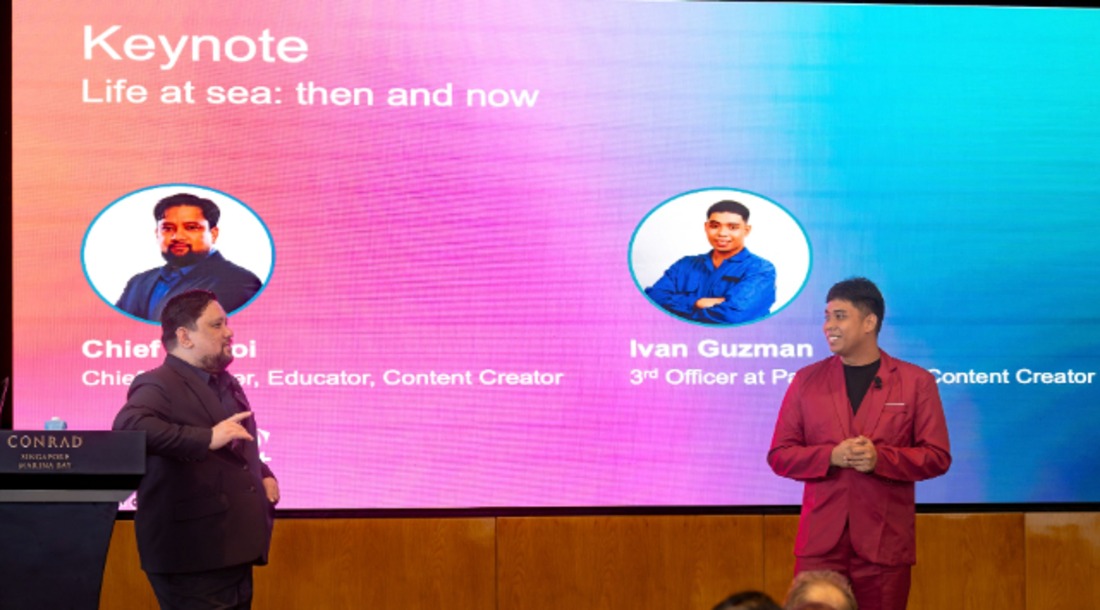
From ‘sci-fi’ to ‘lifeline’: how maritime connectivity has evolved from one generation to the next
 People
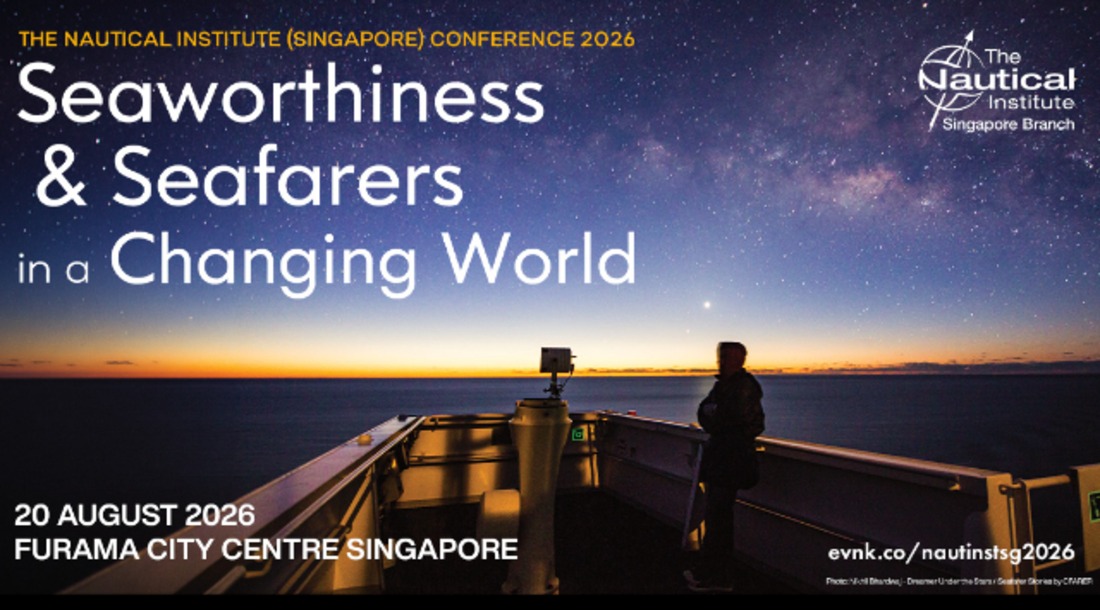
The Nautical Institute Singapore Conference 2026 toConvene Maritime Leaders on Seaworthiness andSeafarers in a Changing World
 People
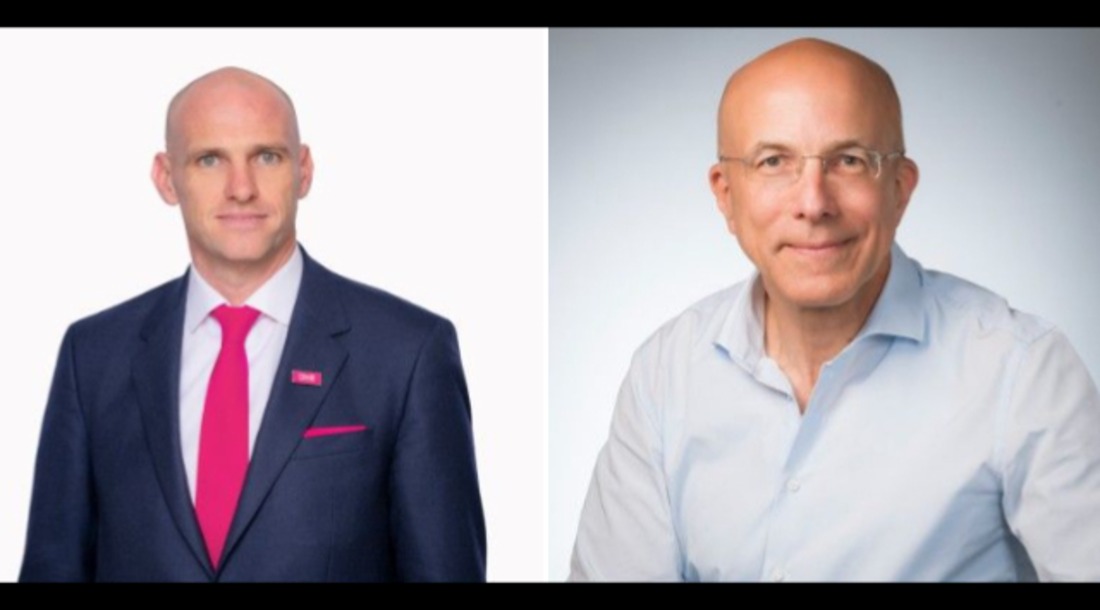
Two New CEOs Take Over at ONE and ZIM as Container Shipping Faces Its Next Test
 People