


From ‘sci-fi’ to ‘lifeline’: how maritime connectivity has evolved from one generation to the next
In a recent keynote speech during a seminar hosted by Inmarsat Maritime, two seafarers from different generations described their contrasting experiences with connectivity and how it has shaped their lives at sea – then and now.
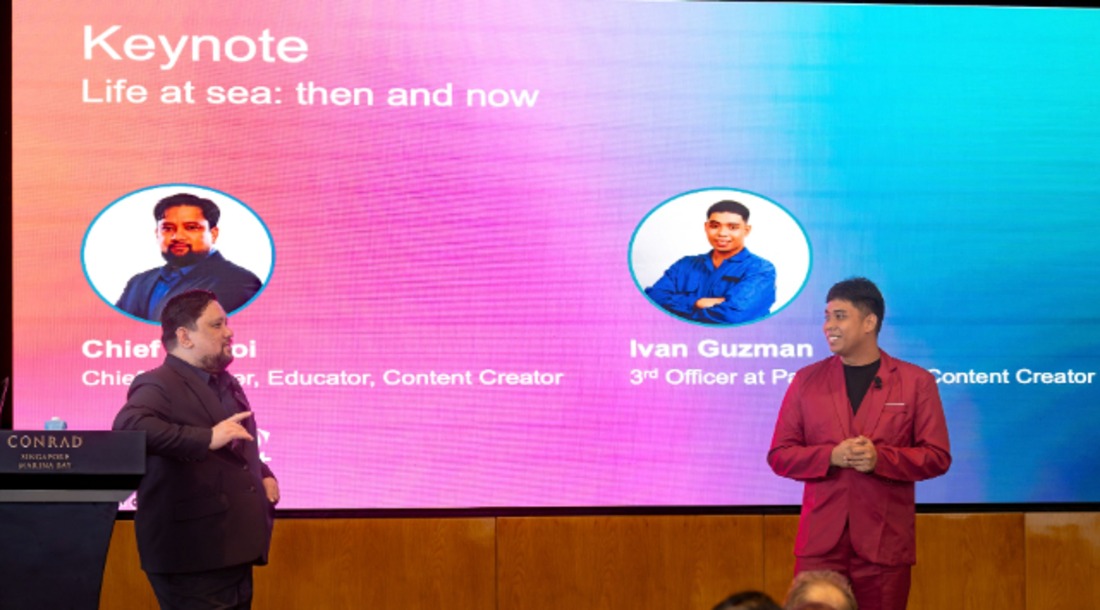
If chief engineer Mark Philip Laurilla, known by his online alias ‘Chief MAKOi’, had been told on his first voyage that, one day, he would be able to video call his family from the middle of the ocean, he would have dismissed the idea as “the stuff of sci-fi movies or, at the very least, James Bond”.
Chief MAKOI offered this response when quizzed by his fellow speaker and seafarer, Ivan Guzman, during their joint keynote ‘Life at Sea: Then and Now’ – part of the Inmarsat Maritime ‘Connected to Perform’ seminar held to coincide with Singapore Maritime Week 2026.
When Chief MAKOi embarked on a seafaring career in 1997, he and his shipmates relied on snail mail, phone boxes in port, and – in an emergency – costly onboard satellite phones to reach loved ones at home. Between ports, crew turned to each other for information, companionship, and morale. Change, he said, came slowly.
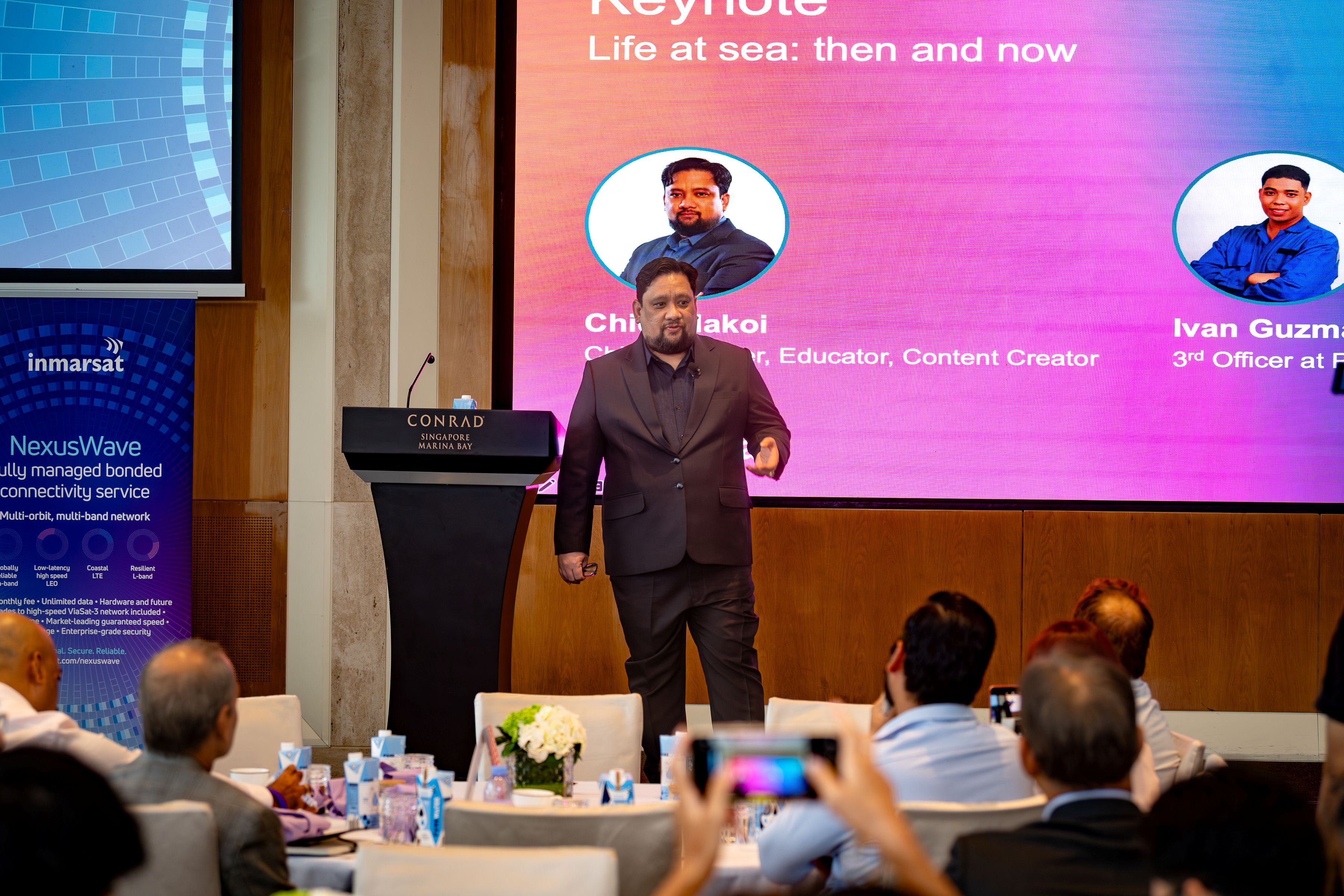
By bringing a mobile phone on board on his second assignment, Chief MAKOi blazed a trail for others to follow: ahead of his third voyage, his crewmates were ordering phones, SIM cards, and top-up cards. Then came camera phones, which provided a “low-resolution” and “expensive” – yet no-less-cherished – connection to far-away family.
By 2008, email and social media were “becoming part of seafarers’ lives” during port stays and shore leave. MAKOi first experienced shipboard Wi-Fi seven years later, but it was so expensive then that buying SIM cards in port remained the only practical option.
Yet this changed, too, as connectivity became more accessible and cheaper over time. “What started out as a luxury became something that we expected,” MAKOi explained. “Eventually, it became something that we needed.”
The evolution of maritime connectivity significantly improved both professional and personal lives at sea. Crew could now submit reports in real time that previously took days to send, and make decisions in an hour that used to take a week. They could watch their children growing up – even if through a small screen – instead of “coming home after nine months and realising they had grown so much without [them]”.
Chief MAKOi conceded that connectivity “did not make life at sea easy” or “remove hardship”, but it did “make seafarers less alone in facing it”. Far from replacing resilience, he said, connectivity supported it; rather than replacing responsibility, it made support more accessible; and while it did not change the seriousness of crew members’ work, it changed the way they endure it.
Crucially, advanced connectivity offered seafarers visibility by allowing them to share real-time insight into life at sea. Chief MAKOi’s hugely successful YouTube channel has attracted tens of millions of views, giving the profession a voice that reaches beyond the maritime community – while inspiring those within it to follow in his wake as seagoing content creators.
Ivan Guzman, who serves as a third officer at Pacific Basin, runs a TikTok channel with 2.4 million followers. He credits Chief MAKOi as a pioneer in “storytelling from the ship” – a mission Ivan says he has taken “into the world of short-form video”. Although their preferred format is different, their goal is the same: to show the world “the true face of the modern seafarer”.
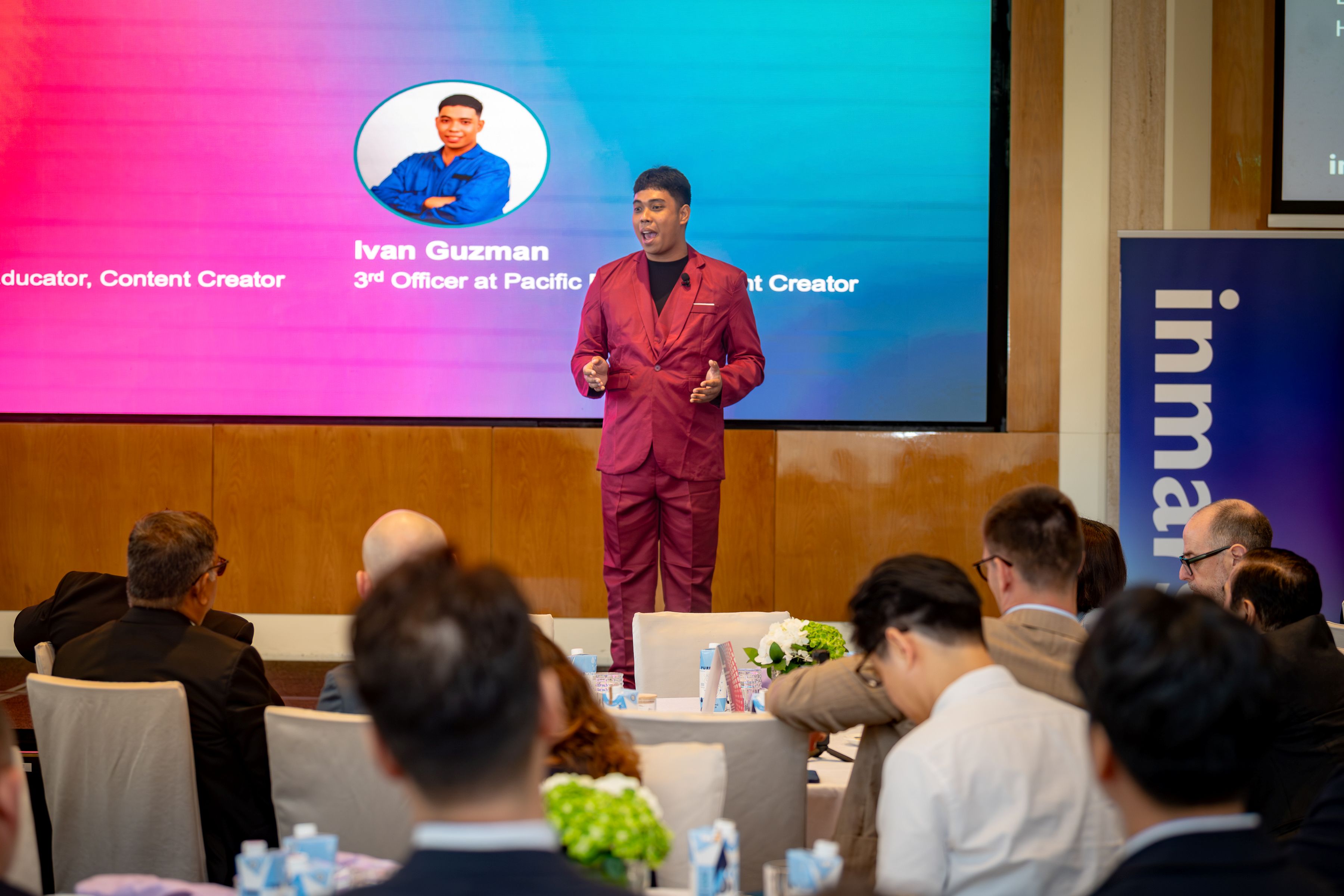
Ivan explained that he grew up with social media, video calls, and streaming, and when he set sail for the first time – over two decades after Chief MAKOi – he assumed connectivity would be “just as normal on board as it was at home”. His maiden voyage, however, coincided with the onset of the Covid-19 pandemic.
“I joined my first vessel when the world was shutting down,” Guzman recalled. “It wasn’t just the usual challenge of being away; it was the weight of a full contract under total restriction. We couldn’t go outside, we couldn’t have shore leave, and the ship became our entire world. In that isolation, I realised that internet access wasn’t a luxury – it was a lifeline.”
By the time Guzman had finished his cadetship and resumed his studies, the pandemic meant classes had moved online. Connectivity, he noted, had become the foundation for continuous learning, allowing him to “bridge the gap between being a student and becoming a professional”.
Today, when he is working on the bridge, the software he uses for navigation, maintenance, and reporting relies on a continuous ship-to-shore connection. “Real-time data and remote support don’t just make us more efficient – they make us safer,” he said. High-speed, unlimited data connectivity solutions, such as Inmarsat NexusWave, are designed to enable that, and deliver home-like internet experience at sea.
Indeed, for Guzman’s generation, onboard internet is more than a means of accessing entertainment; it is also, in his words, about “mental health, professional growth, and the fundamental right to stay tethered to the world we left behind on shore”.
As a next-generation connectivity solution, Inmarsat Maritime’s NexusWave empowers crew in both their personal and professional lives on board the vessel. The fully managed, bonded multi-network service provides high speeds, global reliability, built-in security, and unlimited data. This means that seafarers can chat, share, stream, play, and learn in their free time – with no concerns about losing their connection or accruing exorbitant bills.
By redefining the standards of maritime connectivity, NexusWave ensures that what was once science fiction, then a luxury, is now respected as the critical lifeline it has become for seafarers of all generations.
In his time as a deck cadet, Guzman says he once spent $500 on internet access over the course of a single contract – equivalent to nearly an entire month’s salary. “Quality internet shouldn’t be a drain on every seafarer,” he commented. “It should be a tool that supports them.”

READ MORE
 People
Thailand to Welcome the Global Energy Community to Bangkok This September for Gastech 2026
 People
Gu Weidong officially appointed General Manager of COSCO SHIPPING Specialized Carriers
 People
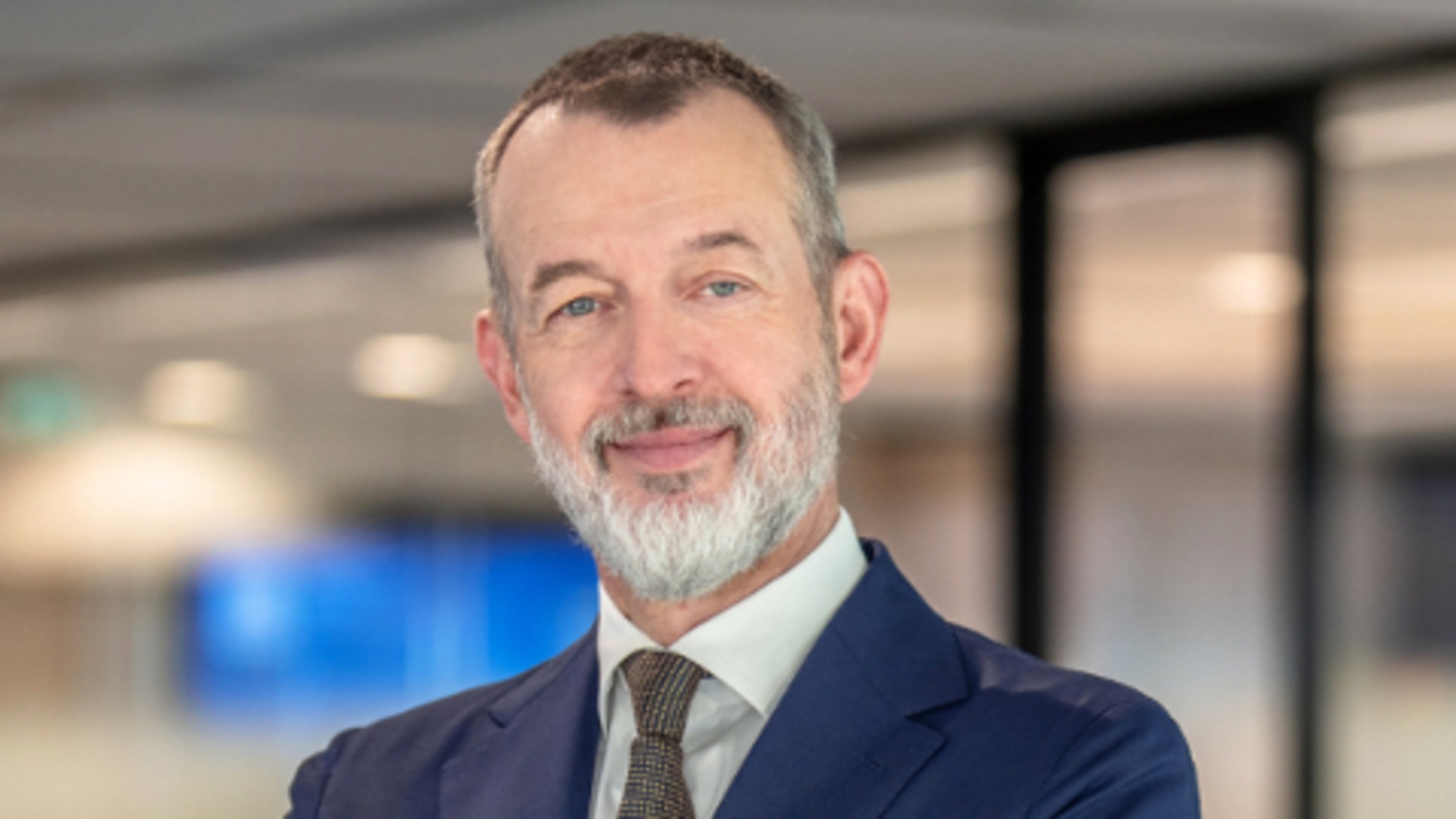
Boudewijn Siemons elected to the IAPH board as vice-president for Europe
 People
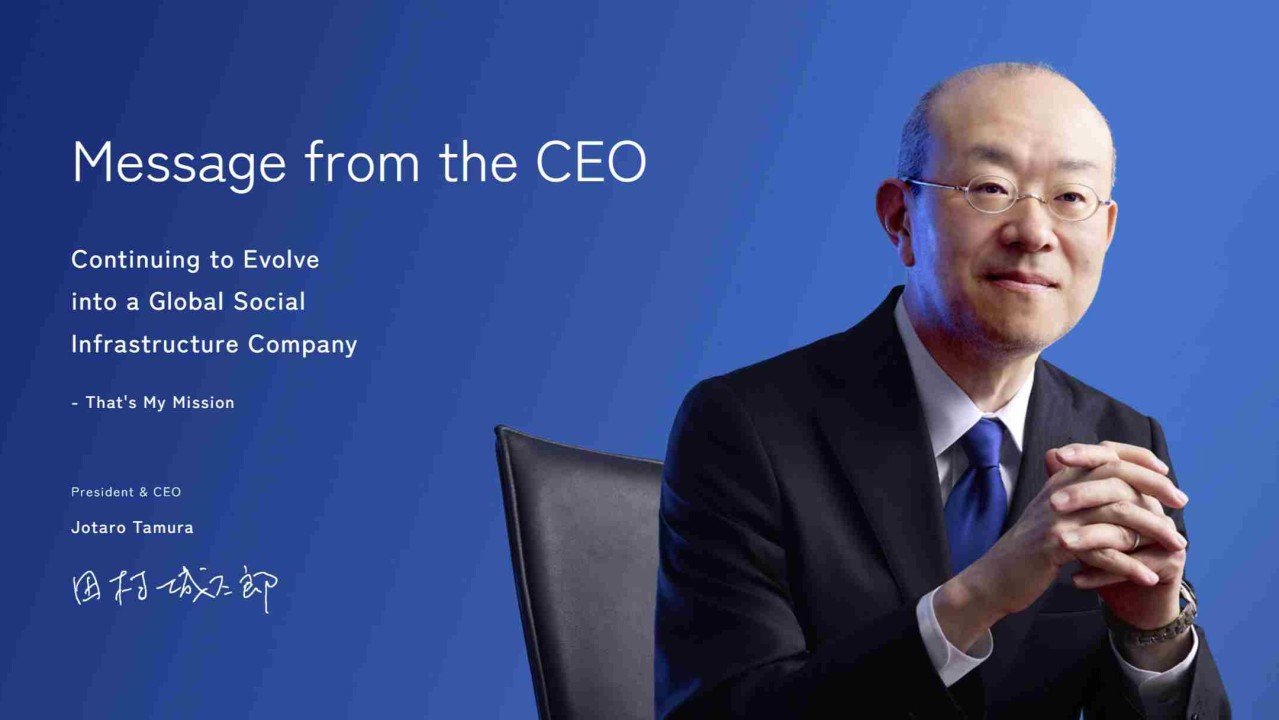
Why MOL Is Moving Beyond the Traditional Shipowner Model
 People
Chen Shuai appointed Chairman of COSCO SHIPPING Specialized Carriers
 People
Nick Potter appointed co-chair of the CEM-HUBS Steering Committee
 People
From a 500-DWT Steamer to 184 Ships: How Three Generations Built the Angelicoussis Shipping Group
 People
Nordseth Appointed Chair of Seatrade Maritime Crew Connect Global 2026
 People
The Nautical Institute Singapore Conference 2026 toConvene Maritime Leaders on Seaworthiness andSeafarers in a Changing World
 People