
A New MR Tanker Pool Is Born: EPS and Champion Tankers Launch IMO II Platform
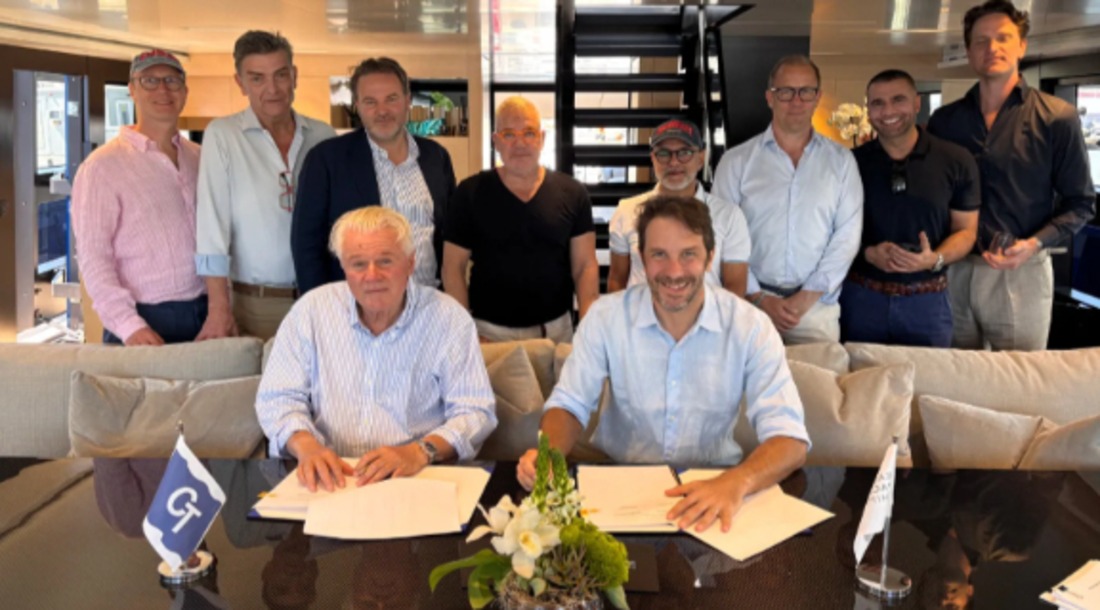
Singapore-based Eastern Pacific Shipping has teamed up with Norway’s Champion Tankers to launch a new IMO II MR tanker pool, in a move that underlines the growing commercial value of flexible medium range tonnage in the clean petroleum products, chemicals and specialty liquids trades.
The new pool will start with eight high-specification IMO II MR tankers, with Eastern Pacific Shipping, or EPS, contributing four vessels and Champion Tankers adding another four.
According to EPS, the platform is designed to enhance fleet deployment, broaden cargo coverage and improve operational efficiency for customers and shipowners. The pool will focus on the transportation of clean petroleum products, chemicals and specialty cargoes.
The companies have not disclosed the names, ages or deadweight details of the initial eight vessels.
Eight vessels to start
The new pool brings together tonnage from two owners with different but complementary strengths.
EPS is one of the world’s largest privately owned shipping groups, with a diversified fleet covering container ships, car carriers, bulk carriers, gas carriers and tankers. The company manages more than 350 vessels, representing around 37 million dwt.
Champion Tankers, based in Norway, has long focused on the vegetable oil, easy chemical, liquid fertiliser, molasses and clean petroleum products markets. The company has built its commercial expertise around MR and IMO 2/3 vessels, with a particular emphasis on cargo flexibility and specialised liquid bulk trades.
By combining EPS’s scale and fleet platform with Champion Tankers’ specialist commercial experience, the new pool aims to build a stronger position in the IMO II MR segment.
The official description of the new platform is important. While the pool can be broadly described as a product tanker pool, its real focus is more specific. It is an IMO II MR tanker pool, meaning the vessels are positioned to serve not only conventional clean petroleum products but also chemical and specialty liquid cargoes that require higher specification tonnage.
For charterers, this can offer more flexibility. For shipowners, it can help improve vessel utilisation and cargo optionality.
Why IMO II MR tankers matter
MR tankers have long been the workhorse of the clean product trade. Their size, port flexibility and regional trading capability make them one of the most liquid and widely used tanker classes.
IMO II MR vessels add another layer of value. With the ability to carry certain chemicals, vegetable oils and specialty liquid cargoes, they can move across a wider cargo base than standard product tankers.
That flexibility is becoming more important as refined product and liquid bulk trade flows continue to shift. Geopolitical disruptions, sanctions, refinery dislocation, Red Sea diversions and changes in regional supply chains have all made cargo flows more complex.
In this environment, charterers increasingly need vessels that can handle different cargo types and adjust to changing trade patterns. Owners, meanwhile, are looking for ways to protect earnings, reduce ballast legs and improve the commercial productivity of each vessel.
A pool structure can help address those needs. By placing multiple vessels under a unified commercial platform, operators can improve scheduling, cargo matching and customer coverage. The model can also give owners access to a broader cargo book and stronger market presence than they might achieve by operating a small number of ships independently.
For IMO II MR vessels, this can be particularly useful. The commercial performance of these ships depends heavily on cargo matching, tank suitability, cleaning requirements, compliance standards and voyage optimisation. A specialised pool with the right customer network can therefore play a meaningful role in lifting overall fleet efficiency.
A targeted move by EPS
The launch also comes as EPS continues to refine its tanker and chemical shipping exposure.
In mid-June, EPS announced a strategic exit from the chemical tanker segment through a package transaction with Ace Tankers and Womar Tankers. That deal involved 14 chemical tankers of between 19,000 dwt and 26,000 dwt, as well as three newbuildings.
Seen in that context, the new IMO II MR pool does not signal a simple expansion into chemical tankers. It points to a more selective approach.
EPS appears to be reducing its exposure to smaller dedicated chemical tanker assets while maintaining a commercial presence in a larger and more liquid tanker segment with wider cargo flexibility. The IMO II MR market sits at the intersection of clean products, chemicals and specialty liquid cargoes, giving owners more options across cycles.
For Champion Tankers, the cooperation with EPS offers greater fleet scale and stronger access to a global owner platform. For EPS, Champion Tankers brings cargo knowledge and commercial experience in specialised liquid bulk markets.
This makes the partnership more than a straightforward vessel-sharing arrangement. It is a commercial platform built around cargo flexibility, market access and operational efficiency.
Tanker pools return to the spotlight
Tanker pools are not new in shipping, but their relevance has increased in a more fragmented and volatile trading environment.
For shipowners, a pool can provide scale, market visibility and more efficient employment. For charterers, it can offer a more reliable pool of suitable vessels, particularly in trades where vessel quality, tank configuration and cargo compatibility matter.
The past two years have shown how quickly tanker trading patterns can change. The Red Sea crisis, shifting Russian product flows, Middle East tensions, sanctions compliance and refinery changes have all reshaped voyage economics. In many cases, the challenge for owners is no longer just where the freight market is strongest, but how quickly a vessel can be repositioned into the right trade with the right cargo.
This is where a pool can create value. It allows operators to coordinate tonnage, reduce inefficiencies and match vessels with cargoes across a broader commercial network.
For the IMO II MR segment, the logic is even stronger. These vessels are not simply competing on freight rate. They are competing on flexibility, cargo acceptance, operational standards and customer access.
A small pool with a clear signal
The new EPS-Champion Tankers pool starts with only eight vessels, so it is not large by global tanker pool standards. However, its positioning is clear.
It targets a specialised area of the MR market where operational knowledge and cargo flexibility matter. It also reflects a wider trend among major shipowners: commercial organisation is becoming as important as fleet size.
In today’s tanker market, owning the ship is only the starting point. The ability to deploy that ship efficiently, match it with the right cargo, manage compliance and serve a broader customer base is becoming a key competitive advantage.
For EPS and Champion Tankers, the new IMO II MR pool is a step in that direction.
It gives EPS a continued foothold in a flexible liquid bulk segment while allowing Champion Tankers to scale up its commercial platform. It also highlights the growing importance of IMO II MR tonnage at a time when clean product, chemical and specialty cargo trades are becoming more interconnected.
The pool may be small at launch, but it sends a clear message: in the MR tanker market, flexibility, cargo capability and commercial platform strength are becoming central to competition.
READ MORE
 Shipbuilding
COSCO SHIPPING Energy, Shell and Jiangnan Shipyard move ahead with four LNG carrier newbuildings
 Shipbuilding
Too Many Newbuilding Orders, but Not Enough Main Engines.....
 Shipbuilding
Dajin Heavy Industry Secures Four Bulk Carrier Orders as 2026 Export Momentum Continues
 Shipbuilding
A milestone delivery for both Trafigura and Hantong Shipbuilding.
 Shipbuilding
Up to 12 Ships: Varamar Enters Ship Ownership as a New Player in the Multipurpose Vessel Market
 Shipbuilding