

CMA CGM Takes a Stake in LNG Bunkering Infrastructure
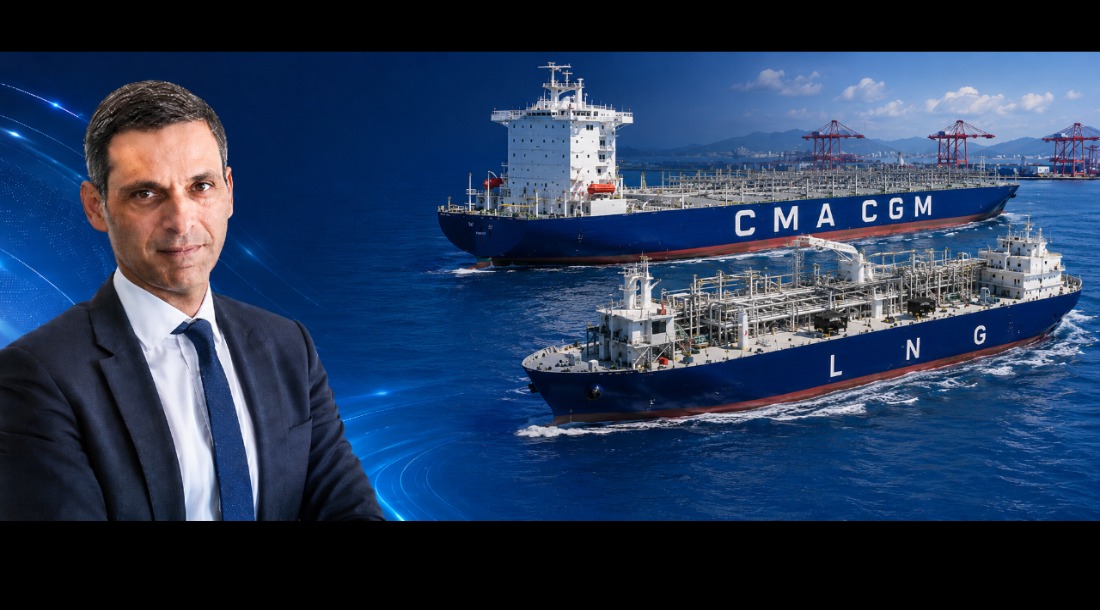
CMA CGM is taking another step to strengthen its LNG fuel supply chain.
Capital Clean Energy Carriers Corp. has announced a 50/50 joint venture with CMA CGM to build, charter and operate one 20,000 cbm dual-fuel LNG bunkering vessel. The vessel will be built by CIMC SOE in China at a contract price of $82.8 million, with delivery expected in the third quarter of 2028.
After delivery, the vessel is expected to be chartered for 12 years to a joint venture between CMA CGM and TotalEnergies. That joint venture will provide LNG bunkering services in the Amsterdam-Rotterdam-Antwerp region.
This is not CMA CGM’s first move in LNG bunkering. The group has already worked with TotalEnergies in Europe and with Shanghai International Port Group in China. In Shanghai, CMA CGM’s LNG-powered containerships have been regularly bunkered at Yangshan Port, including simultaneous operations where cargo handling and LNG bunkering take place at the same time.
The latest deal shows that CMA CGM is moving beyond simply buying LNG fuel. It is now taking part in the vessel asset side of the bunkering chain.
For CMA CGM, this makes strategic sense. The group has built one of the world’s largest LNG-powered containership fleets. As more LNG dual-fuel ships enter service, fuel availability becomes a key operational issue. Large containerships need reliable bunkering at major ports, especially on fixed liner routes where schedule reliability is critical.
For Capital Clean Energy Carriers, the deal also marks a new direction. The company is already active in LNG carriers and other gas-related vessels. By entering LNG bunkering, it is moving further downstream, from gas transportation into marine fuel infrastructure.
This reflects a wider trend in shipping. LNG bunkering vessels are no longer just support assets for energy companies. Shipowners, gas carrier platforms and liner companies are increasingly involved in this market.
Shell, TotalEnergies and ExxonMobil are expanding LNG and bio-LNG bunkering networks. At the same time, shipowners such as MOL, NYK, Seaspan Energy, Purus Marine, Caravel Group and Celsius Tankers have also entered or expanded in LNG bunkering vessel ownership.
The reason is clear. LNG dual-fuel ships need a reliable fuel supply network. The bunkering vessel has become the “last mile” of that network.
According to industry data, the global LNG bunkering fleet has grown from just one vessel in 2016 to more than 60 vessels in operation today, with dozens more on order. The market is also moving toward larger vessels, with many new projects now in the 18,000 to 20,000 cbm range.
This new CMA CGM-CCEC project fits that trend.
It is not only about one vessel. It is about control over future marine fuel supply.
As shipping moves through the energy transition, the competition will not only be about who owns cleaner ships. It will also be about who controls the fuel, the ports, the bunkering vessels and the infrastructure needed to keep those ships moving.
READ MORE
 Shipbuilding
A New MR Tanker Pool Is Born: EPS and Champion Tankers Launch IMO II Platform
 Shipbuilding
COSCO SHIPPING Energy, Shell and Jiangnan Shipyard move ahead with four LNG carrier newbuildings
 Shipbuilding
Too Many Newbuilding Orders, but Not Enough Main Engines.....
 Shipbuilding
A milestone delivery for both Trafigura and Hantong Shipbuilding.
 Shipbuilding
Dajin Heavy Industry Secures Four Bulk Carrier Orders as 2026 Export Momentum Continues
 Shipbuilding
Up to 12 Ships: Varamar Enters Ship Ownership as a New Player in the Multipurpose Vessel Market
 Shipbuilding
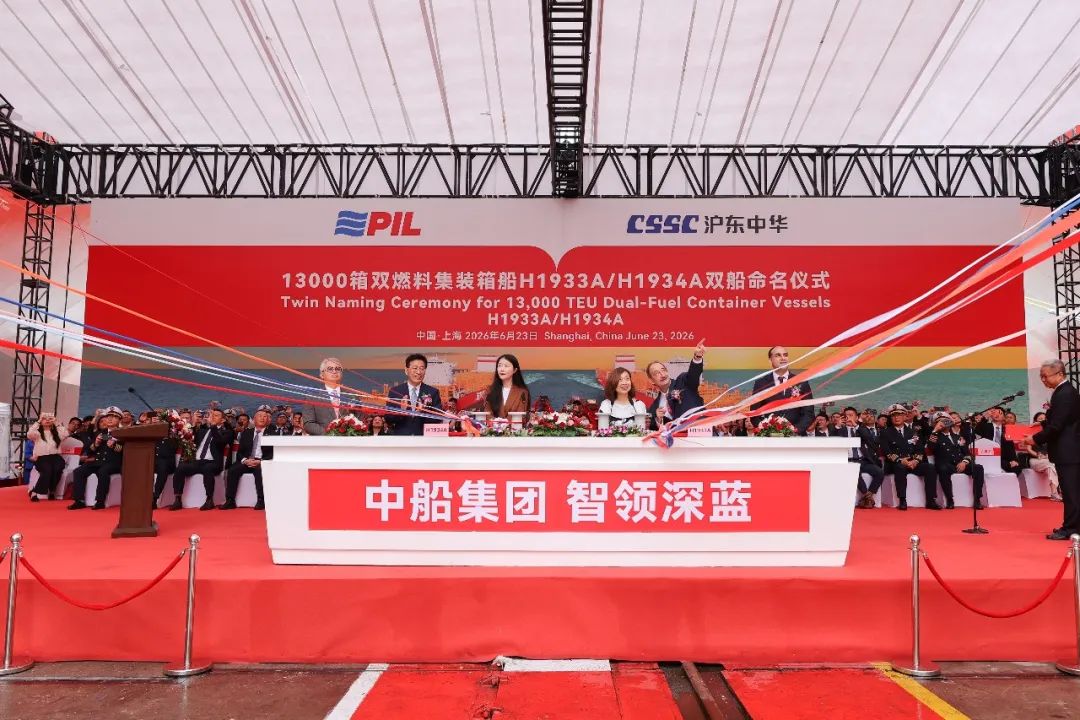
🚢 Double naming in Shanghai: PIL marks another milestone in its green fleet renewal
 Shipbuilding
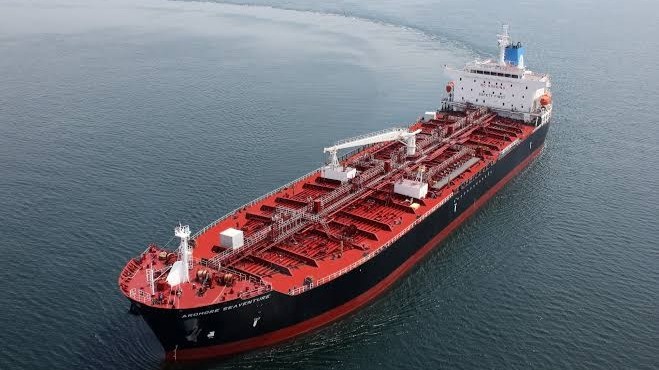
Ardmore Deepens China Newbuilding Move as Wuhu Series Expands to Potential Six Ships
 Shipbuilding
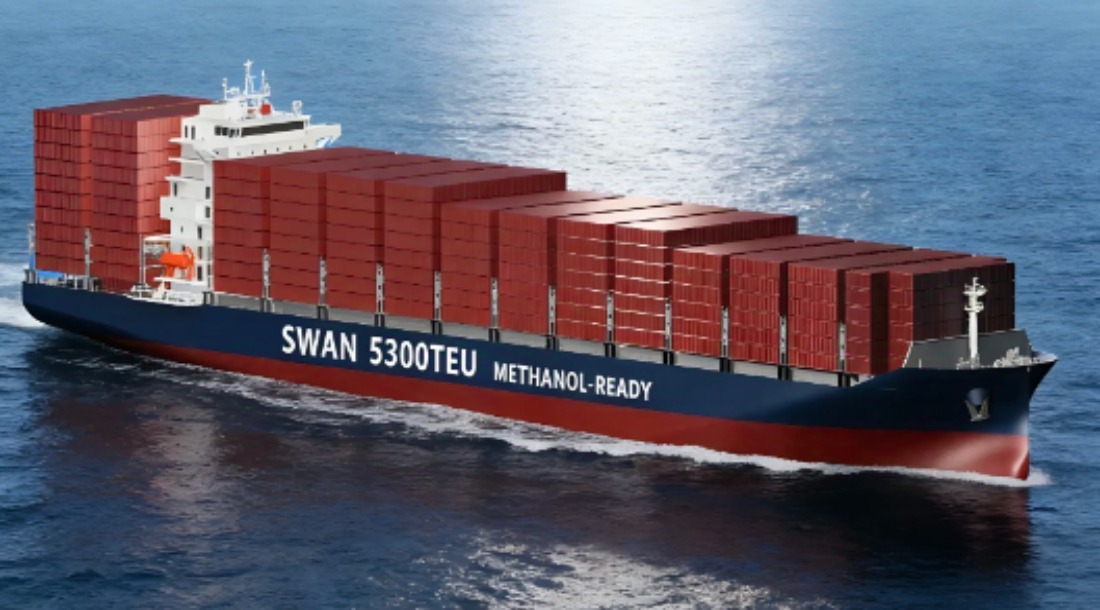
Chinese Yard Bags 13 Containerships in a Single Day
 Shipbuilding