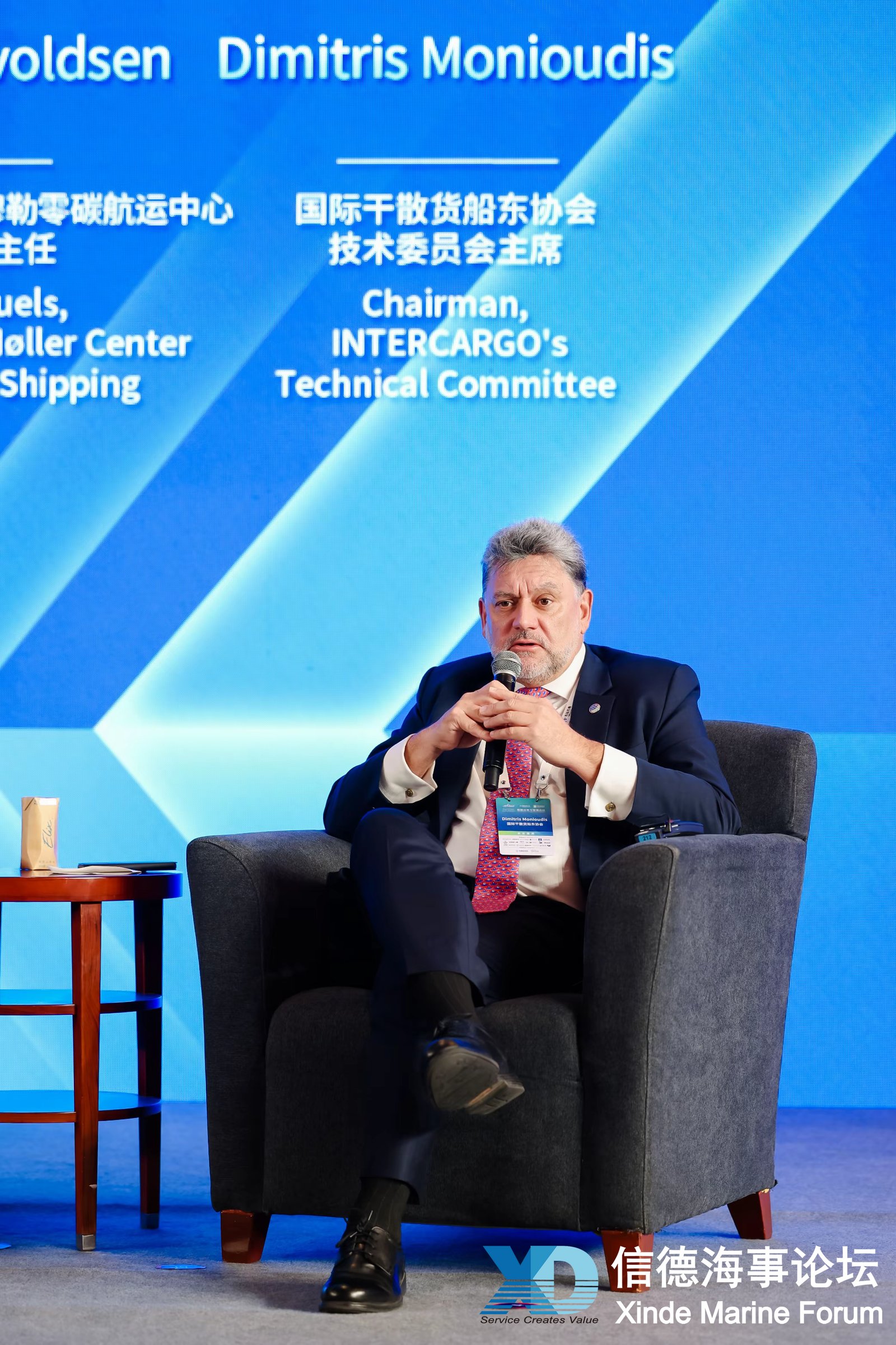
By Dimitris Monioudis, Chair of INTERCARGO’s Technical Committee
As the shipping industry marks Chinese New Year, it offers a natural moment to pause and reflect on direction, momentum and the forces shaping global trade. For dry bulk shipping in particular, those reflections increasingly lead back to China.
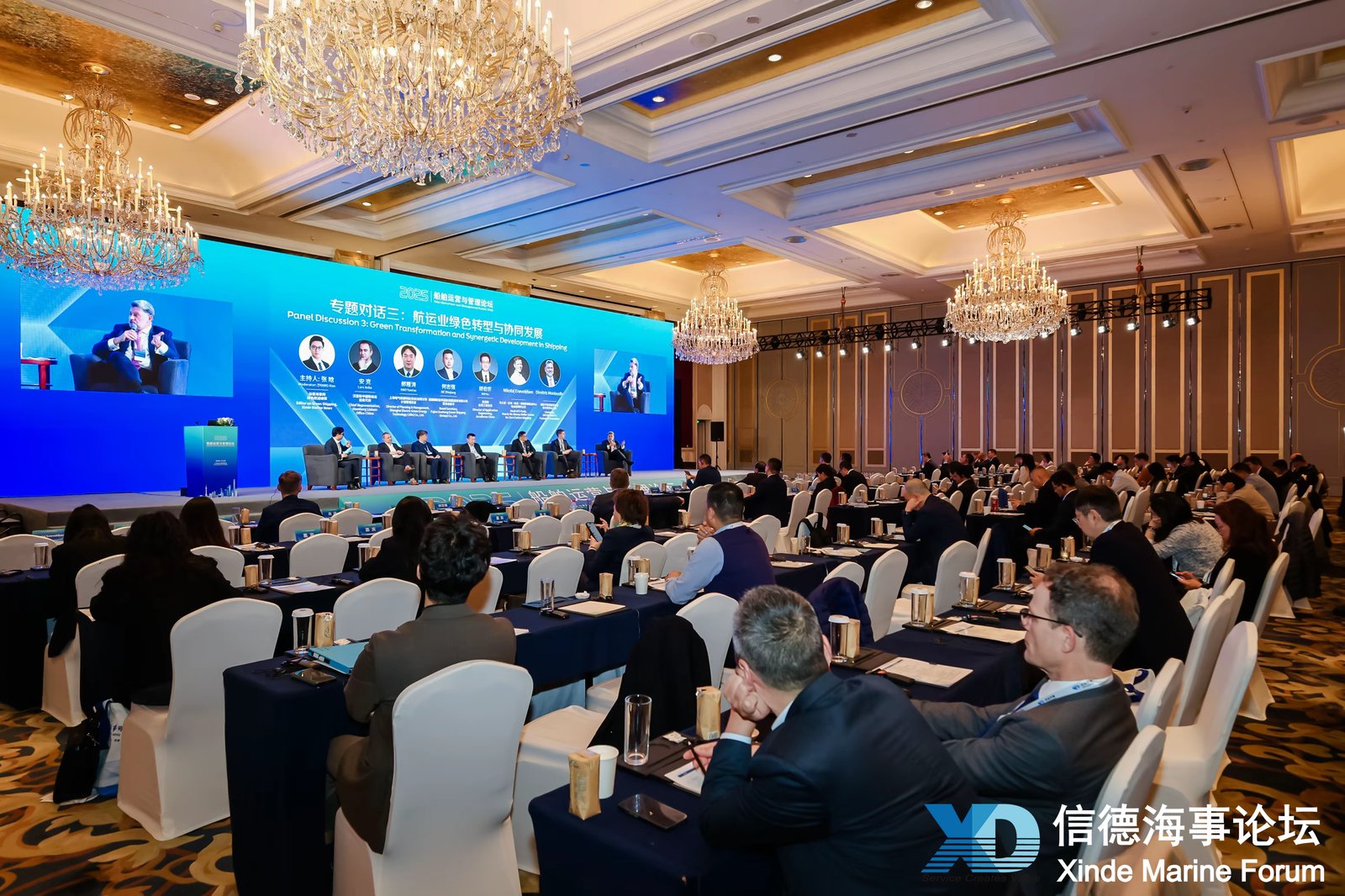
My recent engagement at Marintec China and Pudong Shipping Week once again underlined China’s central role in the global maritime landscape and its growing influence on how the dry bulk sector is evolving. Having engaged with China’s maritime industry for more than 25 years, and with Shanghai in particular, the pace and scale of change still catches me off guard. What stood out most during my December visit was not simply the volume of activity or the scale of investment, but how quickly ideas are now being translated into operational reality.
Marintec and Pudong Shipping Week provided a concentrated snapshot of a maritime ecosystem that is confident, technically capable and increasingly focused on practical outcomes. China is no longer only a global centre for shipbuilding and maritime trade. It is increasingly shaping how technologies are developed, tested, refined and, in some cases, applied at scale. That shift was visible not only in formal sessions, but in the tone of conversations taking place on the exhibition floor and in smaller, informal meetings throughout the week.
From a dry bulk perspective, this matters. Dry bulk shipping remains fundamental to the functioning of the global economy, enabling the movement of essential commodities that underpin industrial activity, food security and energy supply. Yet the sector also operates under intense pressure, balancing commercial realities with rising regulatory expectations and an increasingly complex geopolitical environment.
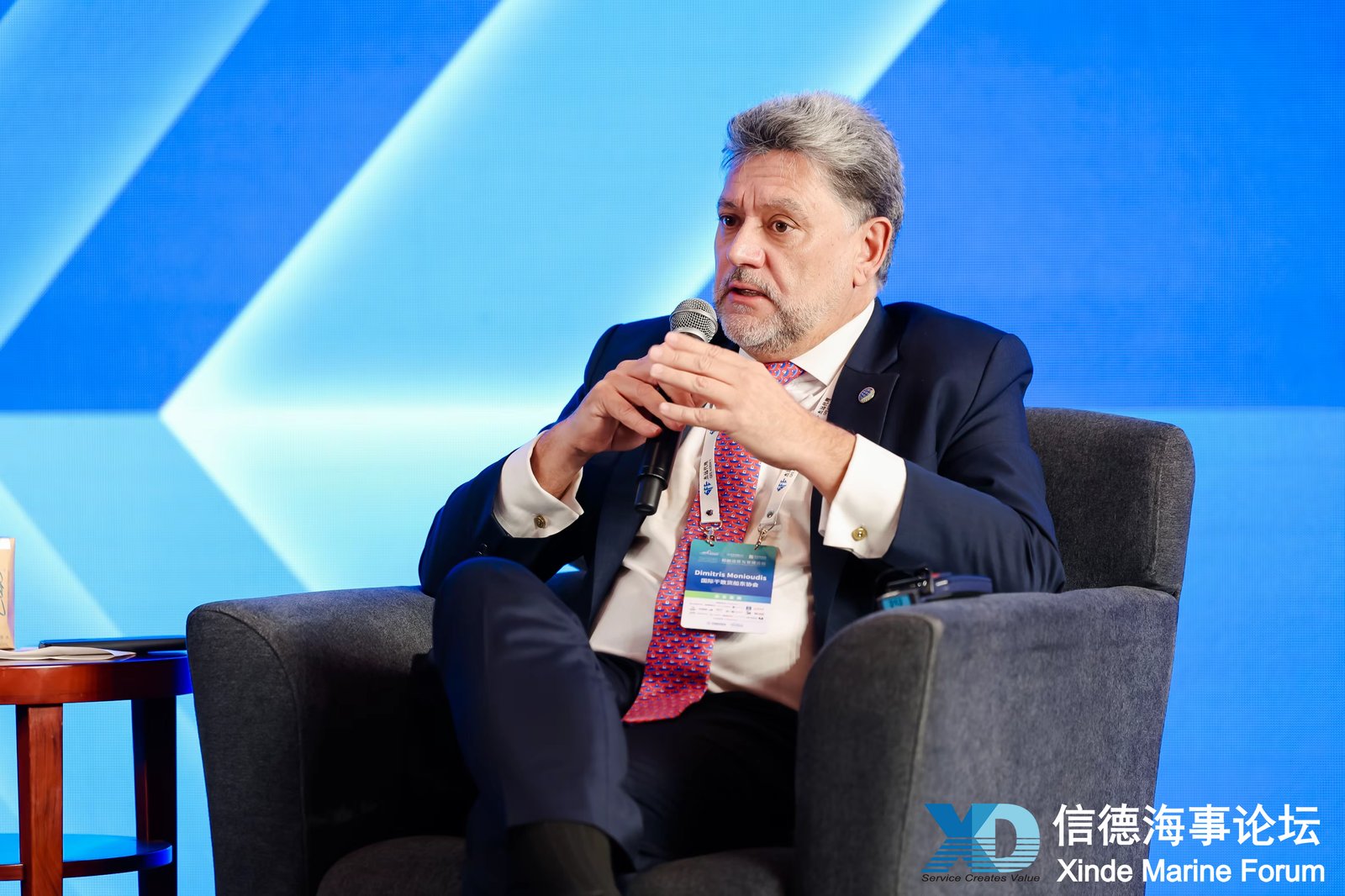
As Chair of INTERCARGO’s Technical Committee, I was welcomed by conference organisers and industry stakeholders as a representative of the global dry cargo sector. This role carries great responsibility. Many of the discussions held during the week returned to a common theme: dry bulk operators are being asked to adapt rapidly, while continuing to deliver safe and reliable cargo carriage across a globally traded fleet. These pressures are not theoretical. They are experienced daily by ship operators trading across different regions, regulatory regimes and risk environments.
Against this backdrop, engagement with our members, partners and technology providers during the week was grounded and pragmatic. Rather than focusing on abstract targets or distant horizons, discussions centred on what can realistically be achieved today, and how incremental progress can be made without compromising safety, reliability or commercial viability.
This was particularly evident in conversations around energy efficiency, digitalisation and decarbonisation. There is a growing recognition across the dry bulk sector that there is no single pathway to emissions reduction. Instead, progress is emerging from a combination of measures: efficiency improvements, operational changes and technologies that can be introduced step by step across different vessel sizes and trading patterns. What is encouraging is that many of these measures are already available or being trialled in practice by our membership, rather than remaining at the level of concept or promise.
New and alternative fuel strategies were also discussed in depth during the week, alongside initiatives under development in China. These conversations highlighted both ambition and realism. While the direction of travel is clear, the transition will only succeed if solutions are workable across a diverse, globally operating fleet. Safety, availability, infrastructure and consistency remain central considerations, particularly for a sector that trades worldwide predominantly in a tramping model.
From an INTERCARGO perspective, this reinforces the importance of maintaining a strong focus on operational reality. The role of the Association is not to promote one solution over another, but to ensure that the lived experience of dry bulk operators is reflected in broader industry discussions. That includes bringing practical insight and experience sharing into debates on regulation, technology adoption and future fuels, and helping to bridge the gap between ambition and implementation.
China’s role in this process is increasingly significant. The scale of its maritime ecosystem, combined with its capacity to move from development to application, means that what happens in China often has implications well beyond its borders. Engagement through forums such as Marintec and Pudong Shipping Week therefore remains valuable, not only for sharing perspectives, but for understanding how approaches developed in one part of the world might translate across our global industry.
Looking ahead, INTERCARGO will soon return to China for further engagement. As the Year of the Fire Horse begins, a year traditionally associated with energy and forward movement, the priority for the dry bulk sector is not symbolism, but follow-through. Continued dialogue, practical exchange, collaboration with all stakeholders and a clear focus on what works in operation will shape how the sector navigates the year ahead.
For dry bulk shipping, the challenges are real and the transition underway will not be simple. But there is also a growing sense of pragmatism across the industry. By grounding ambition in operational experience, and by maintaining open and constructive engagement across key maritime centres, the sector can continue to support resilient and sustainable global trade while adapting to the demands of a changing environment.
The opinions expressed herein are the author's and not necessarily those of The Xinde Marine News.
Please Contact Us at:
media@xindemarine.com