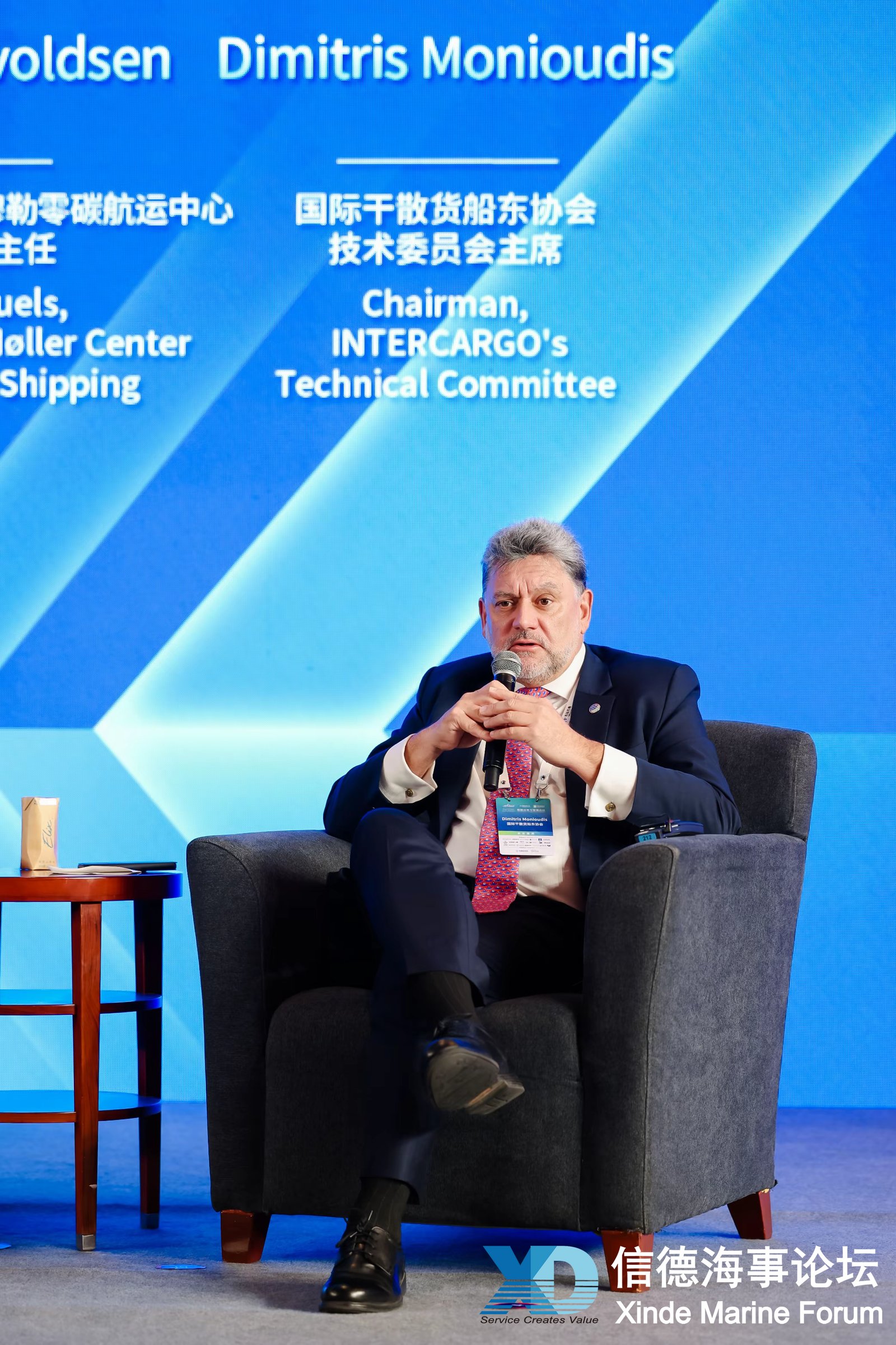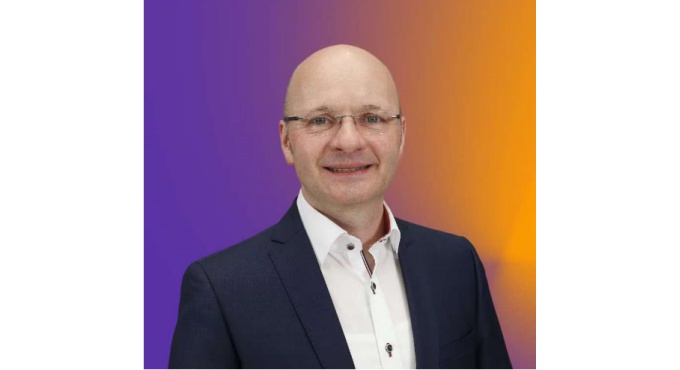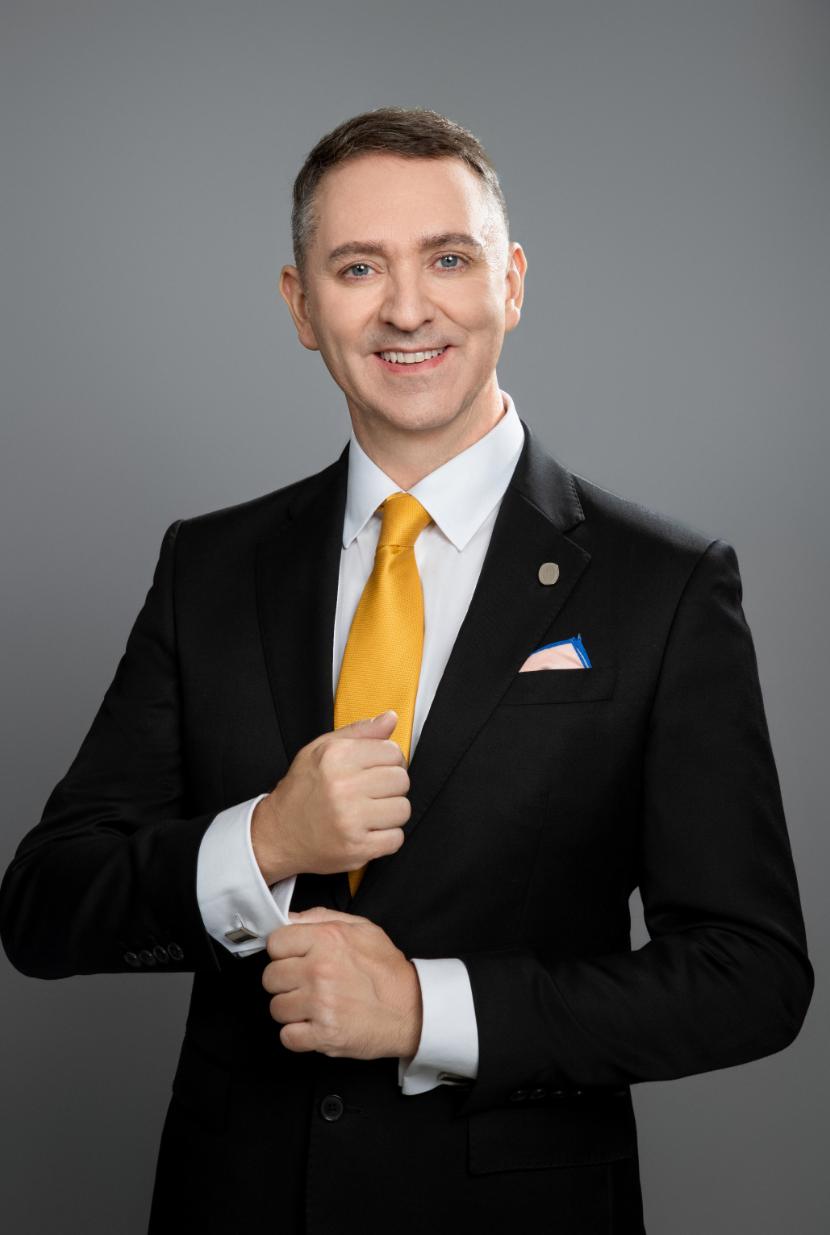
Alex Gregg-Smith, Senior Vice President, Bureau Veritas Marine & Offshore Asia Pacific, BV M&O China, is one of the few foreign maritime leaders to have received the Shanghai Magnolia Award* twice. His career in China spans nearly two decades.
In this conversation with Xinde Marine News, he reflects on why China plays a central role in BV's global strategy and how classification societies are evolving to support the industry through decarbonization and digital transformation.
China's Role in BV's Global Strategy
Xinde Marine News:
"BV has deep roots in China, and your own career has been closely connected to this market. How do you view China’s position in BV’s global strategy?"
Alex Gregg-Smith:
"China is a key component of BV's global strategy. The Marine & Offshore Asia Pacific headquarters is located in Shanghai, and that decision reflects the strategic importance of the market. China is the world's largest shipbuilding nation, China and Asian Ship owners are over 50% of the world fleet, and it also plays a central role in new fuels, port development and maritime innovation.
My own experience here has always been based on long-term collaboration. We have grown alongside Chinese shipyards, shipowners, research institutes, and technical partners. At a time when global conditions are increasingly complex, the scale and stability of the Chinese market provide a level of certainty that is very important for the industry’s transition.
China is essential to how BV contributes to building a safer, more efficient, and more sustainable maritime sector."
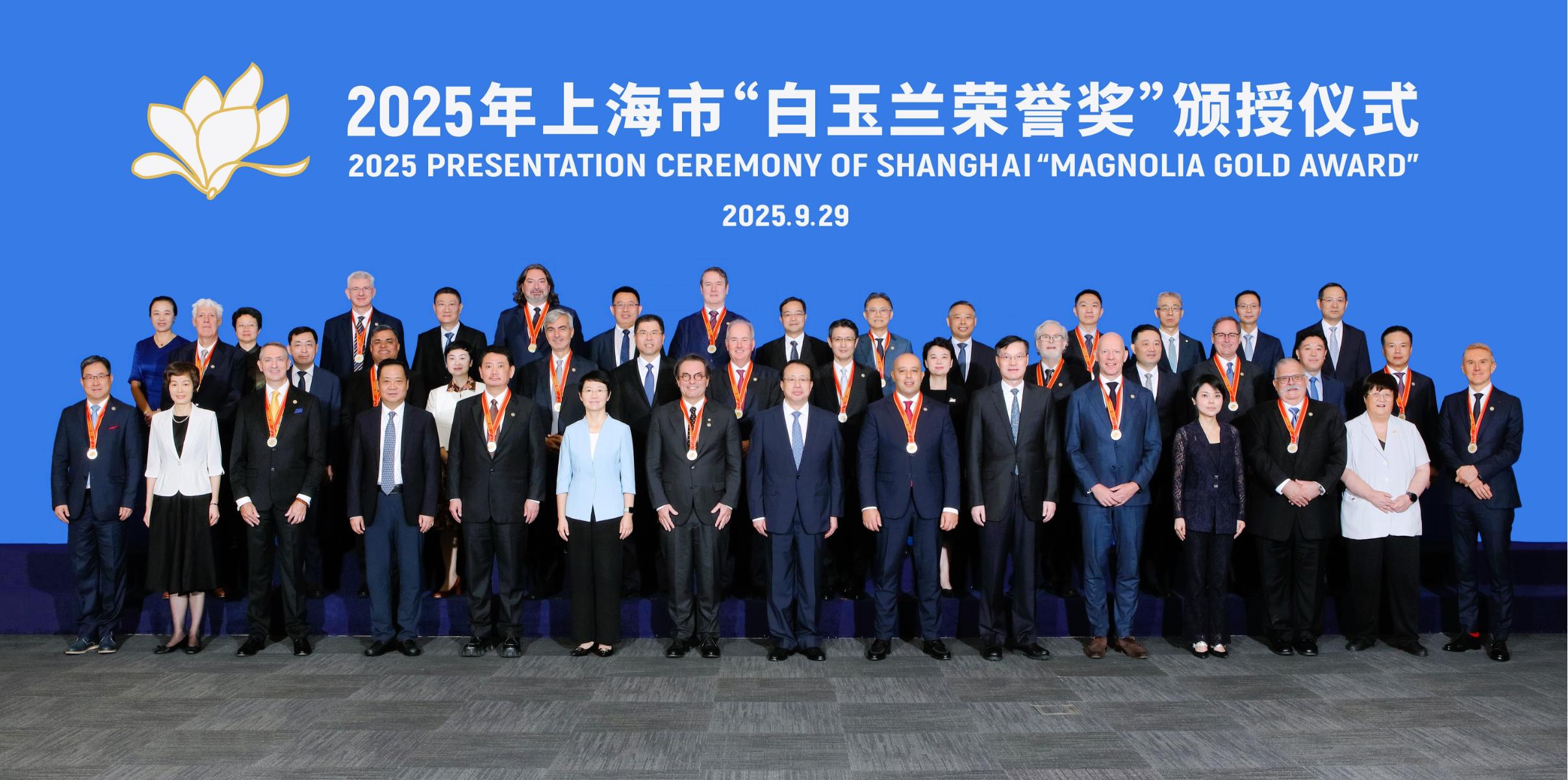 *: The "Shanghai Magnolia Award" is a prestigious honor bestowed by the Shanghai Municipal Government in recognition of outstanding contributions to the city's development. Alex won the Shanghai "Magnolia Silver Award" in 2024, and Shanghai "Magnolia Gold Award" in 2025.
The Changing Role of Classification Societies
XINDE MARINE NEWS:
"Classification societies used to focus on inspection and compliance, but this seems to be changing. What has driven this transition toward a broader role?"
ALEX GREGG-SMITH:
"In the past, class societies simply verified compliance with regulations. Safety remains the foundation, but today the industry is facing more complex challenges, decarbonization, new fuels, regulations, supply chain changes. So we cannot just remain in the role of classification.
It is now about enabling. We bring shipowners, shipyards, engine makers, technology partners, energy suppliers and finance stakeholders together. Our role is to help the industry move forward safely to validate new technology, ensure reliability, protect crews and the environment, and support the transition. "
XINDE MARINE NEWS:
"Where does the Future Shipping Team fit into this transition?"
ALEX GREGG-SMITH:
"The Future Shipping Team is a global initiative across Marine & Offshore, with several hundred engineers linked worldwide, working on new fuels, energy efficiency, and regulations.
Each vessel type and each trade pattern has unique needs. Electrification may work for some regional trades, but not for deep-sea routes. The availability and cost of green fuels vary enormously. Capex for conversions can be high. So everyone has a unique pathway.
The job of the team is not to say, 'this fuel is the answer', but to help companies evaluate options and define a transition strategy that is technically and commercially realistic."
Decarbonization Is a Long Journey
XINDE MARINE NEWS:
"There are expectations in some parts of the industry that we should move faster toward net zero. How do you see the pace of transition?"
ALEX GREGG-SMITH:
"Decarbonization is a long journey. Technology readiness, fuel availability, infrastructure, regulations – all these need to align. You can't just put a green fuel into a ship and call it done. The recent delay with the Net-Zero Framework means we now have one more year, and that year needs to be used well. There will be a lot of work on life-cycle assessment, pricing mechanisms, and how the framework can be applied in practice. We need to move forward, but in a way that is safe, scalable and workable for the industry."
XINDE MARINE NEWS:
Do you believe LNG will remain a significant transition fuel?
ALEX GREGG-SMITH:
"We've heard predictions of 'peak oil' and 'peak gas' for decades, and the timeline continues to shift. LNG is a practical solution available today. It has clear positives, and it also has challenges. Methane has a higher global warming potential than CO₂, so managing methane slip is essential. But shipping is not the only source, and we do have ways to control it. LNG, along with bio-methane and synthetic gas, can form part of a transition pathway while we scale up the next generation of fuels."
Digitalization and Smart Shipping
XINDE MARINE NEWS:
"Alongside decarbonization, digitalization is reshaping shipping. How do you view its role?"
ALEX GREGG-SMITH:
"Digitalization and AI are developing incredibly fast. We see it in shipbuilding, ship operations, and inspections.
In design and Building, we can now build digital models and digital twins,digital class is coming. In operations, BV's digital and Software-as-a-Service (SaaS) (a cloud-based software service platform for optimizing vessel operations) solutions link with shipowners' operational data to improve efficiency and performance.
In terms of operations, we are involved in collaborative initiatives such as Blue Visby - an international collaboration platform focused on big-data fleet optimization, and participate in the Global Maritime Forum, which is an international exchange platform driving sustainability and innovation in shipping.
On the inspection side, we are deploying drones through AGS-3D (Augmented Surveyor 3D -- Drones and AI scan) for cracks and corrosion and build real-time 3D models. It is faster and safer, reducing the need for human entry into confined spaces.
Cybersecurity is now mandatory. Data has value, but shipowners need trust to share it. Class can act as a trusted intermediary to ensure secure handling and analysis. Ultimately, data supports condition-based monitoring and risk-based inspection — safer, cheaper, and more efficient. "
A People-Centered Industry
XINDE MARINE NEWS:
What would you say to young professionals entering the maritime sector?
ALEX GREGG-SMITH:
"I’m absolutely biased. I've spent my whole life in this industry and I love it. Shipping is a people industry. Everything depends on communication and trust. Even with AI and automation, shipbuilding and operations will remain human-centered for a long time.
It’s encouraging to see young people join with new ideas, especially around sustainability. BV works closely with universities and training institutions to promote internships and bring new talent into the industry."
Conclusion
As global shipping moves through a period of profound transition, from fuel systems to digital systems, and from compliance to collaboration, Bureau Veritas positions itself not only as a classification society, but as an enabler of change.
Its role is increasingly to connect, validate, and de-risk innovation across the entire maritime value chain.
For Alex Gregg-Smith, the message is clear :"Shipping will continue to evolve, but it will remain a people industry. Trust, collaboration, and shared progress are the cornerstones of BV’s commitment to shaping a sustainable maritime future."
by Xinde Marine News Skye Polly
The opinions expressed herein are the author's and not necessarily those of The Xinde Marine News.
Please Contact Us at:
media@xindemarine.com